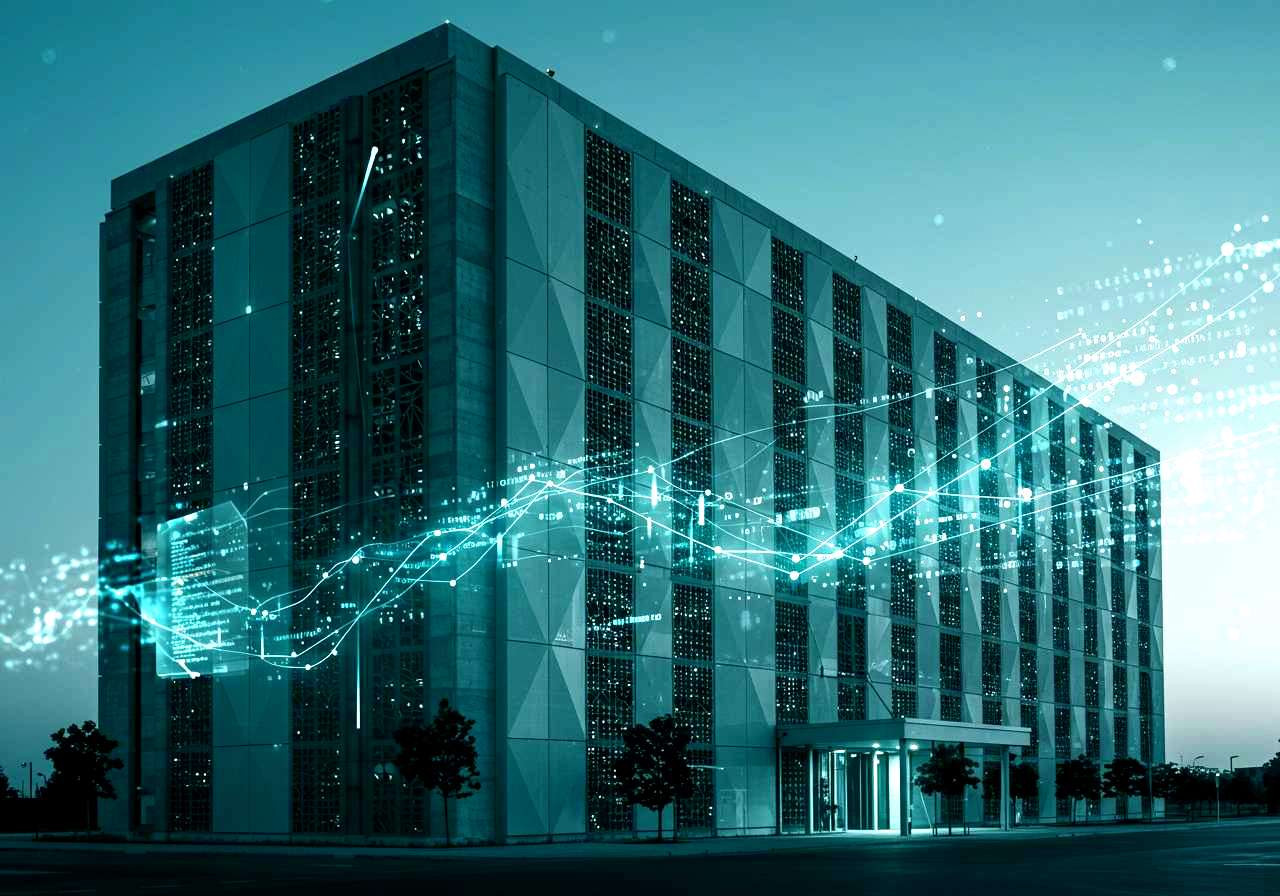
We’ve all heard the old real estate mantra: “location, location, location.” But what if the most valuable properties aren’t beachfront mansions or downtown office towers, but rather massive, nondescript warehouses packed with servers and fiber-optic cables? It might sound like a plot from a sci-fi movie, but this is the reality of modern real estate investment. As our world becomes increasingly digital—from streaming movies to using AI assistants—the demand for data centers is skyrocketing. These aren’t just buildings; they’re the physical backbone of the internet. So, how can everyday investors tap into this booming sector? Let’s take a closer look at the world of data center real estate investment. 😊
Why Data Centers Are the New Gold Rush 💰
The demand for data centers is driven by a few powerful, undeniable forces. Here’s why investors are flocking to this space:
- The Cloud is King: Cloud computing giants like Amazon, Microsoft, and Google need vast amounts of physical space to house their servers. This is fueling a massive appetite for new data center construction and existing facility acquisition.
- AI and Big Data: The rise of artificial intelligence and machine learning requires immense processing power. Training and running AI models consumes a staggering amount of data and energy, creating a new wave of demand for specialized, high-density data centers.
- 5G and IoT: The rollout of 5G networks and the proliferation of IoT (Internet of Things) devices means more data is being generated and consumed at the “edge” of the network. This requires smaller, localized “edge data centers” to process information quickly and efficiently.
How to Invest in Data Center Real Estate 📊
The good news is, you don’t need millions of dollars to build your own facility. The easiest and most common way to invest is through a specific type of real estate investment trust.
Data center REITs (Real Estate Investment Trusts) are the primary vehicle for most investors. They own and operate data centers, leasing space to tech companies. By investing in a REIT, you’re essentially buying a share of a professionally managed portfolio of data centers.
Investing in a data center REIT is similar to investing in an apartment building REIT or a retail REIT, but with a few key differences. These properties are highly specialized and require immense capital, so direct ownership is rare for individual investors. Instead, REITs provide a simple, liquid way to gain exposure to the sector.
Example: The REIT Advantage 📝
Imagine a company like Digital Realty Trust (DLR) or Equinix (EQIX). They own a global portfolio of data centers. By buying a single share of their stock, you are effectively a part-owner of dozens or even hundreds of these critical facilities. Their revenue comes from long-term leases with major tech tenants, providing a stable income stream that is often passed on to you as a dividend.
Challenges and Considerations ⚠️
While the growth potential is exciting, it’s not without its risks. Here are some factors to consider before investing:
- Power Consumption: Data centers are notoriously power-hungry. Rising energy costs and power grid limitations can be a significant challenge for new developments and operational expenses.
- Geographic Concentration: The market is heavily concentrated in a few key “hot spots” like Northern Virginia, Silicon Valley, and key European cities. This can expose investors to localized risks.
- Technological Obsolescence: The technology inside data centers evolves at a rapid pace. While the physical structure may remain valuable, a company must constantly invest in new, more efficient technology to stay competitive.
Key Takeaways: A Quick Recap 📝
Here’s a summary of the core points to remember from this exciting new investment sector:
- High Demand Drivers: The exponential growth of cloud services, AI, and big data is creating unprecedented demand for data centers.
- REITs are Key: The most accessible way for most people to invest is through publicly traded Data Center REITs.
- Stable Income: These investments can offer stable, long-term cash flows from tech-giant tenants with long-term leases.
- Mind the Risks: Be aware of challenges like high power consumption, geographic concentration, and the need for constant technological upgrades.
I hope this guide has shed some light on this fascinating corner of the real estate market. The future is digital, and investing in its physical foundation might just be one of the smartest long-term plays. What are your thoughts? Let me know in the comments below. 😊







Leave a Reply