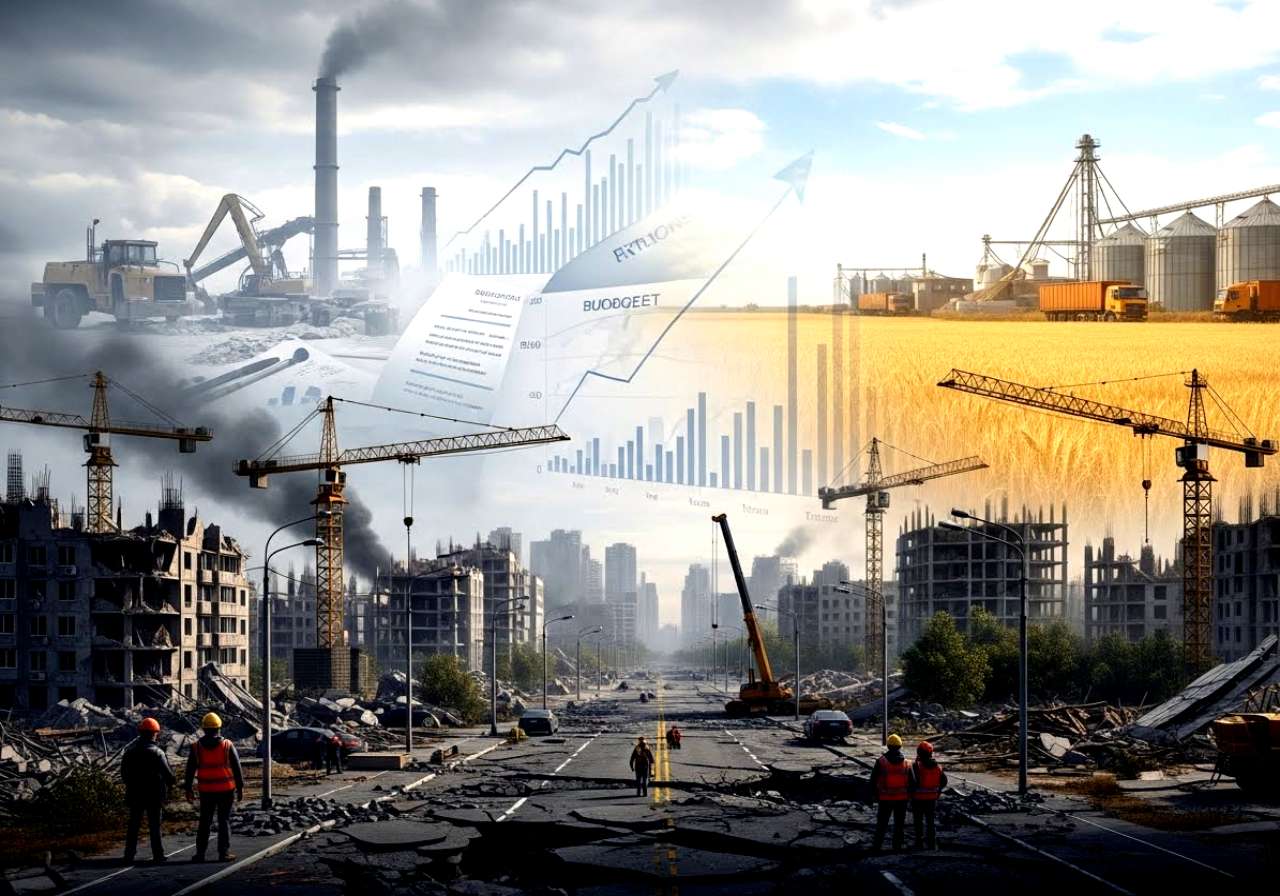
The Russia-Ukraine War has dominated global headlines and global markets for years. While the military conflict grinds on, the question weighing on the minds of economists, investors, and policymakers worldwide is: When and how will it end, and what happens next?
Let’s be honest, predicting the conflict’s conclusion is impossible, but we can analyze the structural changes an end would trigger. 😊 The eventual peace, whether achieved through a negotiated settlement or a stalemate, will not return the world to the status quo of 2021.
The global economy has fundamentally rewired itself in response to the conflict. Understanding the potential scenarios and their economic fallout is crucial for navigating the post-conflict world.
The Possibility of an End: Scenarios and Preconditions 🕊️
The most likely paths to an end do not involve a sudden, total military victory by either side, but rather a protracted political or diplomatic shift.
Likely Conclusion Scenarios
- Stalemate and Frozen Conflict: The most probable near-term scenario, where fighting subsides along fortified lines, with a temporary ceasefire but no formal peace treaty.
- Negotiated Settlement: A politically difficult outcome involving territorial concessions and security guarantees, likely brokered by external powers.
Even if fighting stops, Western sanctions on Russia are unlikely to be lifted quickly or entirely. This means the geopolitical decoupling that began during the war will likely persist for years, limiting the speed of economic normalization.
Global Economic Implication 1: Energy and Commodities ⛽
The immediate global economic reaction will be felt in commodities. The war severely restricted the supply of Russian oil, gas, and key Ukrainian exports (like grain).
| Commodity | Initial Post-Conflict Impact |
|---|---|
| Oil & Gas | Initial price drop due to de-risking, followed by stabilization at a new, higher baseline due to permanent Russia-Europe decoupling. |
| Grain (Wheat, Corn) | Sharp price drop as Black Sea shipping lanes fully reopen, easing global food inflation and relieving developing nations. |
| Industrial Metals | Prices decline, but Russian-sourced metals (e.g., nickel, palladium) may still face difficulty entering Western markets. |
Global Economic Implication 2: Reconstruction and Inflation 🏗️
The massive effort to reconstruct Ukraine will be one of the largest infrastructure programs in history, with costs estimated in the hundreds of billions of dollars. This effort will have a dual impact on the global economy.
The Reconstruction Demand Shock 📝
The demand for building materials (steel, concrete, wood), heavy machinery, and skilled labor will spike. While it offers immense opportunity for companies in contributing nations, it risks igniting a new round of inflation in the construction sector globally.
- Positive Shock: Massive demand stimulus, particularly benefiting Western and Asian engineering/construction firms.
- Inflationary Risk: Competition for resources could push up prices for key commodities and labor globally, complicating central bank efforts to achieve long-term price stability.
A major obstacle remains: who pays? Financing the reconstruction—whether through frozen Russian assets, international bonds, or direct aid—will be a contentious political and legal battle, slowing the actual pace of recovery.
Key Takeaways: A Quick Recap 📝
The end of the war means neither instant stability nor a return to the past, but rather a transition to a new economic reality:
- Partial Commodity Relief: Grain prices will likely drop sharply, easing food security crises, but oil and gas prices will stabilize at a higher baseline due to permanent market shifts.
- Reconstruction Boom: A huge demand shock from rebuilding Ukraine will boost global construction and engineering sectors, but risks creating inflationary pressure on materials and labor.
- Geopolitical Decoupling Endures: Sanctions and deep political friction mean Russia’s role in the Western economy will remain severely limited, preserving the “divided world” dynamic.
The Post-Conflict Economic Reality
Frequently Asked Questions ❓
The eventual cessation of hostilities will mark a major geopolitical milestone, but the global economic journey toward stability is just beginning.
The world must pivot from managing supply shocks to managing reconstruction demands, all while navigating a permanently altered geopolitical landscape.
What do you believe is the single biggest risk to global stability after the war ends? Let me know your thoughts below! 😊





Leave a Reply