
The Self-Imposed Economic Winter: A 2026 Forecast 📉
A complete global isolation by 2026 would send shockwaves through the U.S. economy, leading to a profound economic downturn:
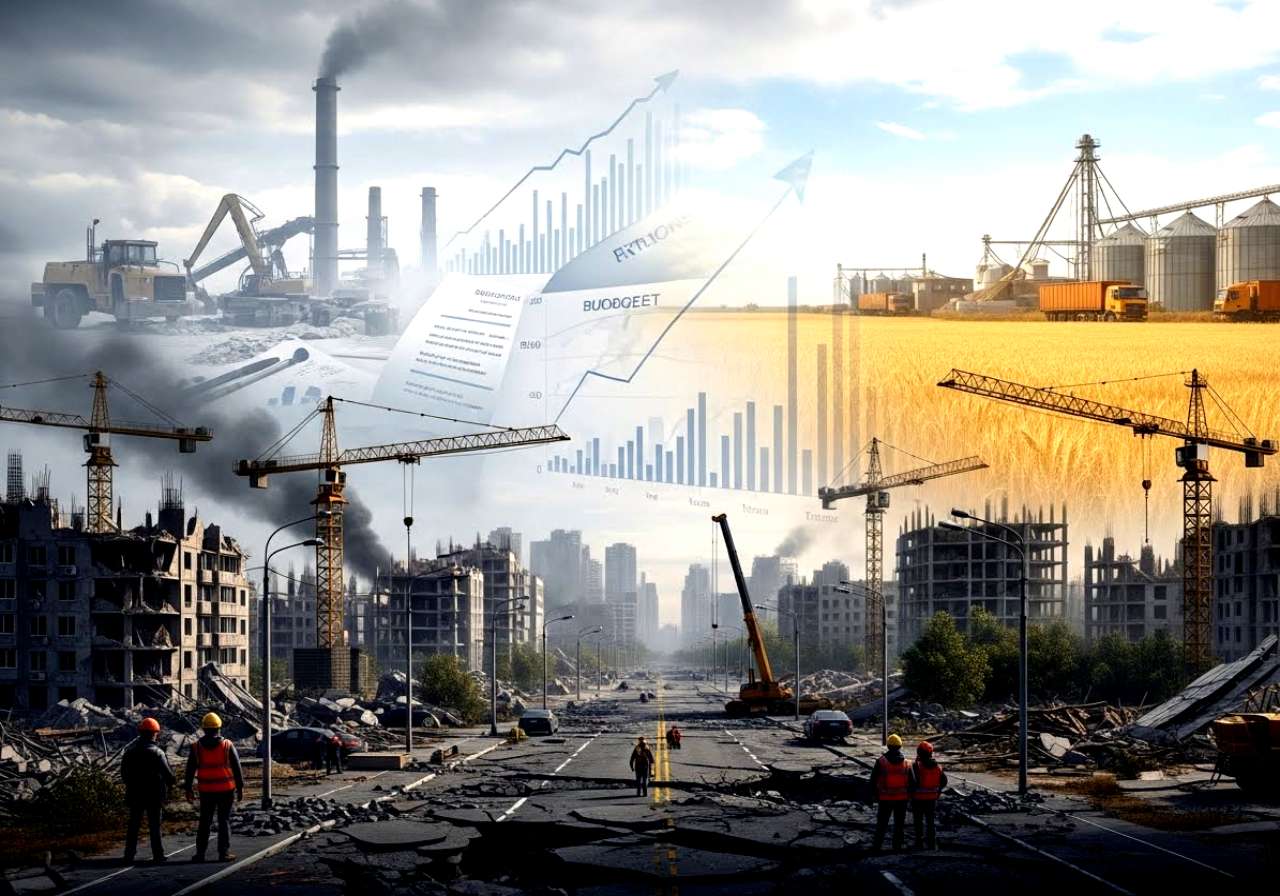
- Massive GDP Contraction: The immediate severing of global supply chains for everything from microchips to consumer goods would halt production in vital sectors like automotive, high-tech, and pharmaceuticals. Losing access to specialized components, cheaper raw materials, and global markets would cripple productivity and innovation, shrinking the overall economy by several percentage points.
- Soaring Inflation & Plummeting Living Standards: With tariffs acting as taxes on imports, prices for all foreign goods—and many domestic products relying on foreign inputs—would skyrocket. Consumers would face limited choices and significantly higher costs for daily necessities, leading to a substantial decline in real disposable income and a sharp drop in living standards.
- Job Market & Financial Instability: While some jobs might appear in newly protected domestic industries, they would be far outnumbered by losses in export-heavy sectors (agriculture, aerospace) and in service industries tied to global trade. The ensuing economic uncertainty and potential for widespread debt defaults would trigger extreme financial market volatility and capital flight.
A Glimpse of the Tendency: Foreign Policy and Forced Investment 🇺🇸
While a complete isolation scenario is extreme, recent U.S. foreign policy trends suggest a growing willingness to prioritize domestic interests, even at the expense of traditional free-market principles. This tendency, if escalated, could lead towards a more isolated stance. Consider the Inflation Reduction Act (IRA) and the CHIPS and Science Act:
- “Buy American” and Domestic Content Rules: These acts offer significant subsidies and tax credits for products (like EVs) and manufacturing facilities (like semiconductors) if they meet strict domestic content requirements or are built within the U.S. This policy, while aimed at boosting American jobs and supply chain resilience, effectively “forces” investment away from traditional partners and into the U.S. domestic market.
- Impact on Allies (e.g., South Korea): For countries like South Korea, a key ally and a global leader in semiconductors and EVs, these policies create a dilemma. To benefit from U.S. incentives and maintain market access, Korean companies like Samsung and Hyundai are compelled to relocate significant portions of their manufacturing and supply chains to the U.S. This can be seen as a form of “forced investment,” where economic incentives are used to dictate foreign corporate strategy, rather than relying on market forces alone. While not “isolation,” it is a step towards a more insular economic bloc.
- Trade Disputes and Retaliation: Such policies have already sparked trade disputes with allies (e.g., European Union) who view them as protectionist. An escalation of these “domestic-first” policies could lead to reciprocal measures, gradually eroding free trade and moving closer to a fragmented global economy, albeit not a fully isolated U.S.
Conclusion: A Costly Path to Self-Sufficiency 🚧
A truly isolated U.S. economy in 2026 would be a shadow of its current self—smaller, less innovative, and plagued by high prices. Even the current trend of “domestic-first” policies, while not full isolation, carries significant risks of alienating allies, sparking trade wars, and ultimately hindering global economic growth. The perceived benefits of self-reliance would come at an extraordinarily high cost, making a full pivot to isolation a severely detrimental economic strategy.





Leave a Reply