
Every few decades, a new technology emerges that promises to reshape our world. From the dot-com boom of the late 90s to the crypto frenzy of recent years, history is replete with moments of both genuine innovation and speculative excess. Today, Artificial Intelligence (AI) stands at that very crossroads.
On one hand, we see unprecedented technological breakthroughs and eye-popping market valuations. On the other, there’s a nagging question: is this all just hype, a bubble waiting for a pin? Let’s dive into recent news and data to dissect whether AI is a fleeting trend or the catalyst for a true industrial revolution.
The “Bubble” Argument: Signs of Overheating? 📉
Skeptics point to several indicators that suggest the AI market might be inflated.
- Skyrocketing Valuations: Companies with “AI” in their name often see disproportionate stock price surges, sometimes without commensurate revenue growth. We’ve seen smaller, unproven startups command valuations in the billions.
- Compute Dominance: A significant portion of AI investment is currently funneled into a handful of chip manufacturers (e.g., Nvidia), creating a dependency that could be vulnerable to market shifts or supply chain issues. This concentration of power resembles past tech monopolies.
- “Vaporware” Concerns: Many announced AI products or features are still in early development, or their practical application is unclear. The promise often outpaces the demonstrable proof of concept.
- Talent Wars: The bidding for top AI talent has become exceptionally aggressive, driving up costs and potentially diverting resources from core R&D to recruitment.
Recall the late 90s dot-com bubble, where companies with a “.com” suffix saw insane valuations. When reality set in, many collapsed. Some fear a similar “AI winter” if profitability doesn’t catch up to investment.
The “Revolution” Argument: Unmistakable Transformation 🚀
Conversely, compelling evidence suggests AI is fundamentally altering industries, reminiscent of past industrial revolutions.
Recent Breakthroughs & Data Points 📊
- Generative AI’s Impact: Tools like ChatGPT, DALL-E, and GitHub Copilot have demonstrated unprecedented capabilities in content creation, code generation, and complex problem-solving. A recent Goldman Sachs report suggested generative AI could boost global GDP by 7% and affect 300 million jobs.
- Enterprise Adoption: Major corporations are no longer just experimenting with AI; they are embedding it into core operations—from optimizing supply chains and customer service to accelerating drug discovery and financial modeling. Microsoft’s integration of AI across its product suite (e.g., Copilot in Office 365) signals a paradigm shift in productivity.
- Productivity Gains: Early data from companies adopting AI tools are showing significant productivity improvements. Studies by firms like McKinsey project AI could add trillions to the global economy annually through enhanced efficiency and innovation.
- Democratization of Tools: While advanced AI requires significant compute, the user-friendly interfaces of many AI tools mean that powerful capabilities are now accessible to individuals and small businesses, leveling the playing field in many sectors.
- Autonomous Systems: Beyond software, advancements in robotics and autonomous vehicles (driven by AI) are moving closer to widespread deployment, promising to redefine transportation, logistics, and manufacturing.
The Nuanced Reality: A Revolution with Bubbles 🤔
The most likely scenario is that AI represents a genuine industrial revolution, but one that is accompanied by a speculative bubble in certain sub-sectors or individual company valuations.
- Long-Term vs. Short-Term: The long-term impact of AI on productivity, scientific discovery, and societal structure is undeniably revolutionary. However, short-term market reactions can be irrational and driven by hype.
- Infrastructure vs. Applications: There’s a strong argument that the “picks and shovels” companies (chip makers, data infrastructure) are building the foundation of this revolution and their growth is more sustainable. The application layer, while exciting, might see more boom-and-bust cycles.
- Adaptation is Key: Like past revolutions (electricity, internet), the true value of AI will be unlocked not just by its creation but by how widely and effectively industries adapt it. This will take time, and some early adopters will inevitably fail.
Just as it took years for electricity to significantly boost productivity across industries, AI’s full economic impact might not be fully realized for another decade or more, even as its fundamental shift is already in motion.
Key Takeaways: Navigating the AI Landscape 🗺️
To summarize our analysis of AI’s current trajectory:
- Dual Nature: AI is driving a profound industrial revolution, fundamentally changing how we work, create, and interact.
- Watch for Hype: Simultaneously, some areas of the AI market are experiencing speculative bubble-like conditions, especially in company valuations.
- Focus on Fundamentals: Look beyond the buzzwords at concrete applications, demonstrable productivity gains, and sustainable business models.
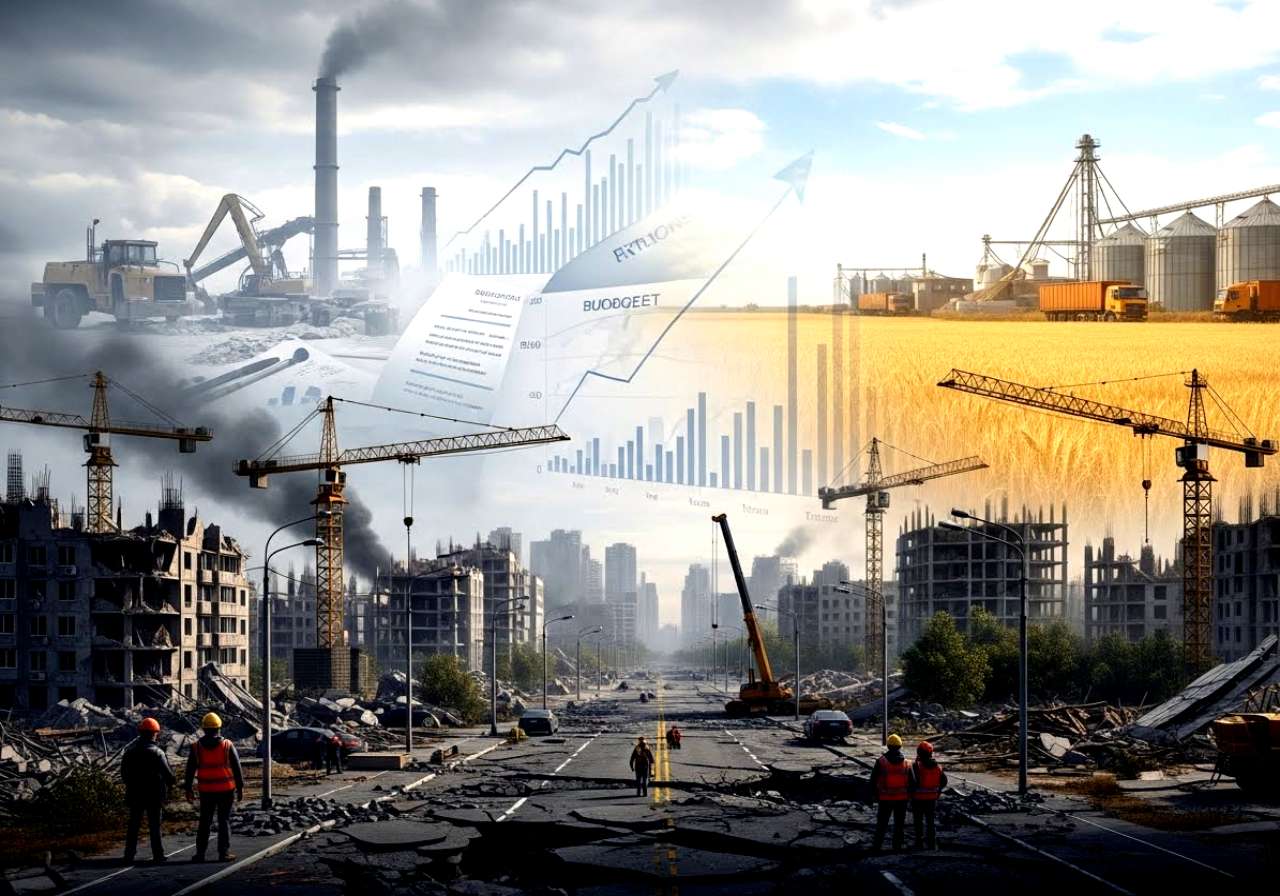
AI’s Dual Nature
Frequently Asked Questions ❓
The AI journey is just beginning, filled with both immense promise and inherent risks. By staying informed and critically evaluating the claims, we can all better understand and harness its revolutionary potential. What are your thoughts—are you more optimistic or cautious about AI’s future? Share your perspective in the comments below! 😊







Leave a Reply