
Direct Costs: The Burden of Conflict 💔
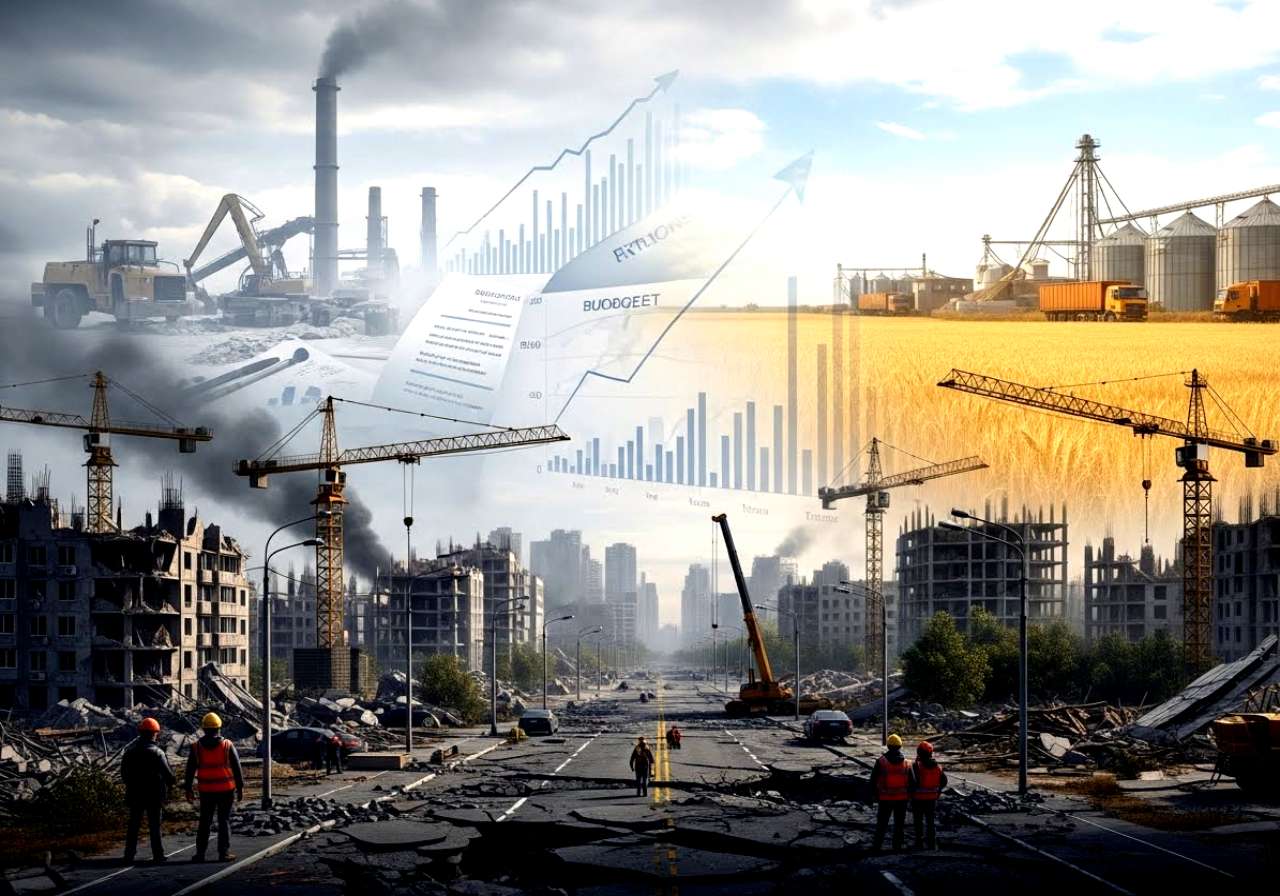
The most obvious economic impact of war is the direct cost of destruction. This includes the staggering expenses of military operations, the destruction of physical infrastructure like roads, bridges, and factories, and the loss of human capital. Rebuilding a war-torn country is a massive, long-term financial burden.
For instance, the reconstruction of conflict-affected regions is estimated to require hundreds of billions of dollars, a figure that often falls short of the actual need. This diverts resources from productive investments like education and healthcare, hindering a nation’s ability to grow.
The cost of conflicts isn’t just about military spending. It includes the long-term economic effects of displacement, the breakdown of social structures, and the loss of a generation of productive workers.
Indirect Impacts: The Global Ripple Effect 🌊
Even conflicts that are geographically contained can have profound global economic consequences. The recent incidents in 2025 highlighted this, particularly with their effect on global supply chains and energy markets. When a major trade route is disrupted or a key commodity producer is involved in a conflict, the effects are felt worldwide.
For example, a temporary conflict in the Middle East in mid-2025 led to a sharp spike in oil prices, impacting everything from transportation costs to consumer goods and services. This kind of volatility creates economic uncertainty, causing businesses to postpone investments and consumers to reduce spending.
- Commodity Price Volatility: Wars in regions rich in oil, grain, or rare earth minerals can cause global shortages and inflation. This hits developing nations particularly hard, as they rely on stable commodity prices for food and energy.
- Investor Confidence: Political instability makes investors risk-averse. Capital often flows out of conflict-prone regions and into “safe-haven” assets, like U.S. government bonds, which can strengthen the dollar and create financial instability elsewhere.
- Sanctions and Trade Barriers: Sanctions imposed on aggressor nations can disrupt global trade, rerouting supply chains and creating new inflationary pressures for everyone involved.
Prolonged conflict can lead to a “brain drain” as skilled workers flee, taking their expertise and economic potential with them.
Case Study: Recent Incidents in 2025 🗓️
A series of localized conflicts in early 2025 served as a microcosm of war’s economic impact. Tensions in a critical maritime chokepoint led to a brief but significant disruption in shipping. This immediately translated to a logistics nightmare, with container ships rerouted and shipping costs skyrocketing. At the same time, cyber conflicts intensified, leading to attacks on financial institutions and energy grids in several countries.
While these were short-lived, they demonstrated the vulnerability of modern digital infrastructure to geopolitical instability, which can quickly undermine market confidence. These events underscore the interconnectedness of the global economy and how a “local” conflict can quickly become a global economic crisis.
Key Economic Takeaways
Frequently Asked Questions ❓
The economic cost of war is a stark reminder of the interconnectedness of our world. A conflict in one region can send ripples across continents, affecting everyone from major corporations to everyday consumers. What do you think is the most effective way for the global community to build economic resilience against future conflicts? Share your thoughts below! 👇







Leave a Reply