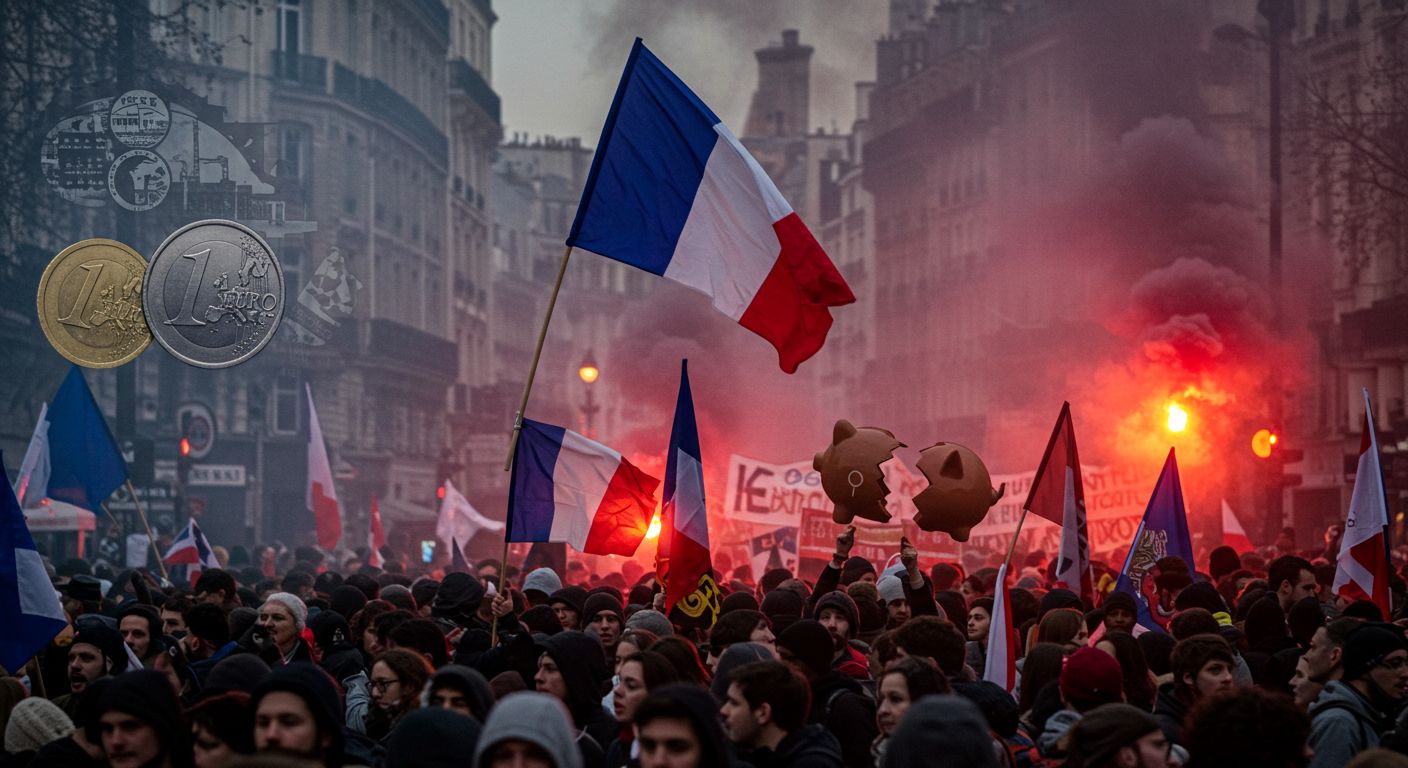
If you’ve been watching the news, you’ve probably seen the images: barricades on the boulevards, public transport grinding to a halt, and protesters clashing with police in cities across France. While the scenes are dramatic, the cause is far more complex than a single event. It’s the culmination of years of chronic debt, political deadlock, and public frustration over austerity measures. Let’s be honest, France has a long history of protest, but the current situation feels different. It’s a national showdown between a government desperate to fix its finances and a public unwilling to pay the price. So, what’s really fueling the fire? 🔥
The Roots of the Outrage: A Chronic Financial Crisis 📊
France’s current turmoil isn’t born from a single moment of “financial bankruptcy” but from a deepening fiscal crisis that has been brewing for years. The country’s debt is now at an alarming 114% of GDP, and its budget deficit is nearly double the EU-mandated limit of 3%. In a bid to address this, the new government under Prime Minister Sébastien Lecornu has proposed a series of painful austerity measures, including steep budget cuts and a freeze on social spending.
The public anger is a direct response to these proposals. Many French citizens feel they are being asked to sacrifice their hard-earned living standards to fix a problem they didn’t create. The anger is palpable and has quickly moved from political debate to direct, aggressive action on the streets.
The ‘Block Everything’ Movement 🚧
The core of the recent demonstrations is a grassroots movement known as “Bloquons tout”, or “Block Everything.” This is a truly widespread campaign, involving not just traditional unions but a wide array of citizens and activist groups. Their strategy is simple: paralyze the country to force the government to back down.
So far, the movement has succeeded in causing major disruptions to public transport, airports, and major highways. The scale of the protests has resulted in violent clashes with security forces and hundreds of arrests, underscoring the severity of the public’s frustration. This isn’t a small-scale protest; it’s a national show of force against the government’s economic agenda.
The ongoing political and social instability has led to warnings from international financial institutions. Fitch, a major credit rating agency, has hinted at a potential downgrade of France’s credit rating, which would make it more expensive for the government to borrow money and deepen the crisis.
Economic Fallout: Beyond the Barricades 💸
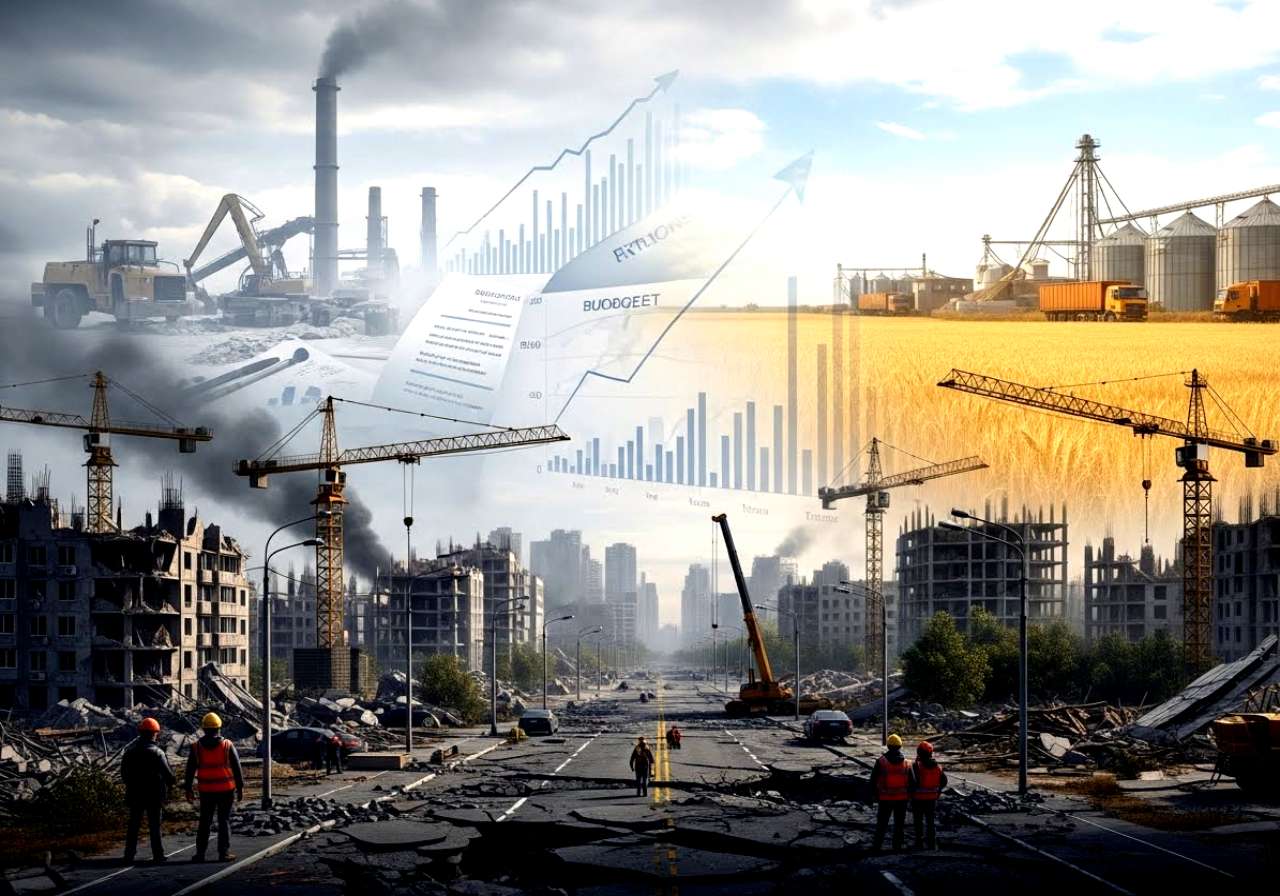
The impact of these demonstrations goes far beyond travel disruptions. The political uncertainty and social unrest are weighing heavily on France’s economy, the second-largest in the Eurozone. Business and consumer confidence are dropping, and key decisions on investment and consumption are being postponed. The ongoing crisis threatens to slow economic momentum at a time when growth is already projected to be sluggish.
The financial markets are watching nervously. The yield spread between French and German government bonds has widened, a clear signal that investors are perceiving France as a riskier place to invest. This is a direct consequence of the political paralysis, as the government struggles to pass a credible budget and get its finances in order.
The Financial Pressure Points 📝
- High National Debt: France’s public debt is over 114% of GDP, a figure that is not sustainable without significant reforms.
- Budget Deficit: The country’s deficit is nearly 6% of GDP, far above the EU’s 3% limit. The government is under immense pressure to reduce it.
- Slowing Growth: With economic growth projected to be just 0.6% this year, the government is struggling to find the revenue needed to pay for public services.
The French Crisis: A Quick Summary
Frequently Asked Questions ❓
The crisis in France is a powerful reminder of the delicate balance between a government’s fiscal responsibility and its social contract with its people. What started as a political budget debate has spiraled into a national moment of reckoning. The world is watching to see if France can navigate this political and economic turmoil without further disruption. I’d love to hear your thoughts on this complex situation. What do you think is the best path forward for France? Share your perspective in the comments below. 😊






Leave a Reply