
Have you ever noticed that there seem to be more people in their 60s, 70s, and 80s than ever before? It’s not your imagination—it’s a global phenomenon. For the first time in human history, the world is collectively getting older, and the speed of this shift is unprecedented. This isn’t just a trend for a few wealthy countries; it’s a profound demographic change that is reshaping economies, societies, and our daily lives. So, what’s behind this massive shift, and what does it mean for the future? Let’s take a look. 🌍
The Big Picture: What’s Driving the Shift? 📊
The aging of the global population is a direct result of two powerful, interconnected forces: we are living longer and having fewer children. This isn’t a problem to be solved; it’s a testament to human progress. Advances in medicine, sanitation, nutrition, and education have drastically lowered mortality rates and increased life expectancy across the board. Simultaneously, factors like increased access to education and employment for women have led to a significant decline in fertility rates.
The numbers from the World Health Organization (WHO) and the United Nations are staggering. The global population of people aged 60 years and over is set to double from 1 billion in 2020 to 2.1 billion by 2050. The number of people aged 80 and older is expected to triple. This shift is most pronounced in countries that once had very young populations, with two-thirds of the world’s over-60 population expected to live in low- and middle-income countries by mid-century.
The Economic Ripple Effect 💰
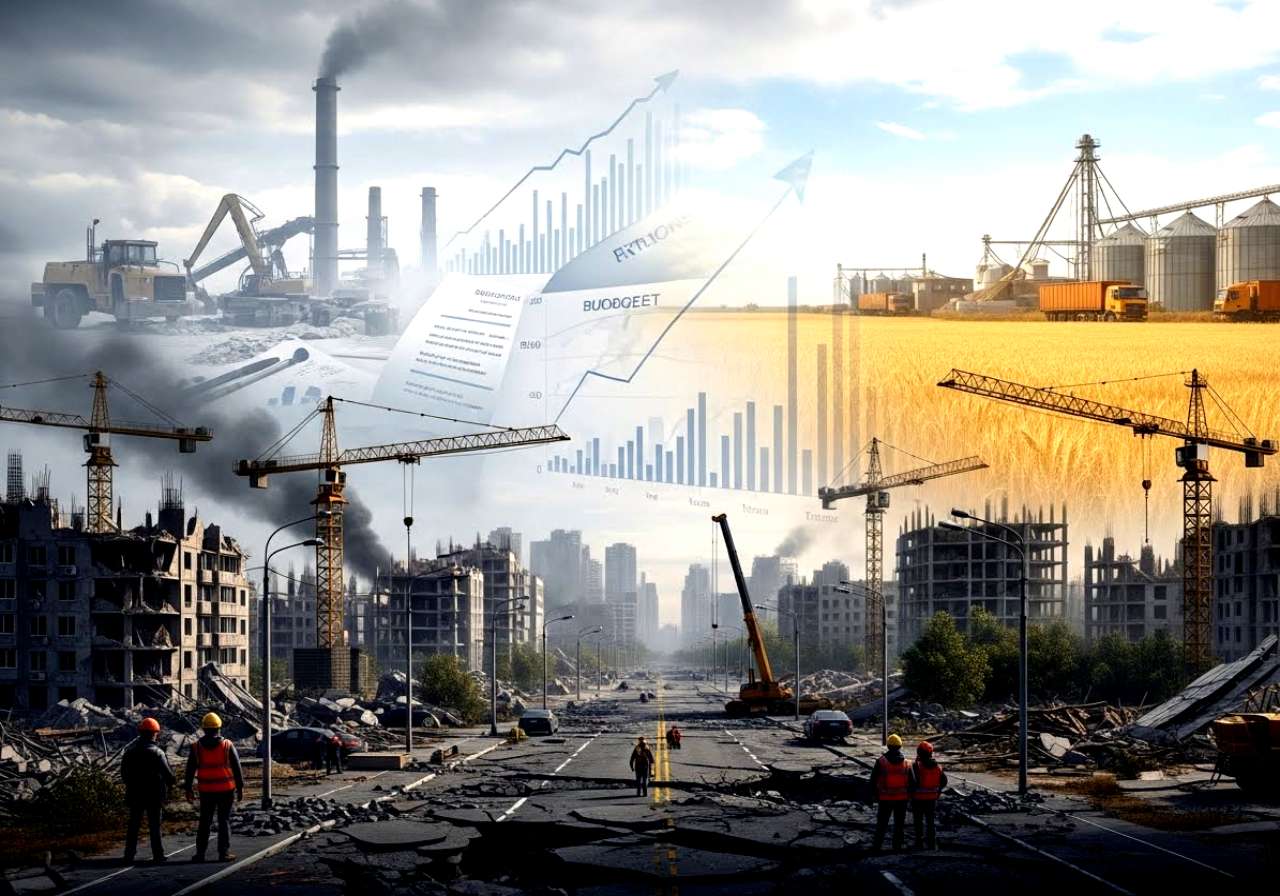
A “graying” population has immense economic consequences. The most significant challenge is the changing dependency ratio—fewer working-age people are supporting a larger population of retirees and children. This puts immense strain on a country’s social safety net.
- Labor Shortages: As more experienced workers retire, industries face a potential shortage of skilled labor. This can lead to decreased productivity and higher labor costs.
- Healthcare Costs: As we get older, our healthcare needs increase. Aging populations require more resources for long-term care, chronic disease management, and mental health services, placing a massive burden on public healthcare systems.
- Pension Systems: Pay-as-you-go pension systems, which rely on current workers to fund current retirees, are under immense pressure. Governments must find ways to reform these systems to ensure they remain solvent for future generations.
According to the IMF, a failure to adapt to these shifts could lead to significantly slower global economic growth throughout the 21st century. The challenge is real, and the time for action is now.
Social Changes and New Realities 🏡
Demographic shifts also bring profound social and cultural changes. Family structures are evolving, with fewer children and an increased need for caregiving, often falling on women. But it’s not all about challenges. An aging population also creates new opportunities and changes the way we think about life.
- The “Silver Economy”: The growing number of older adults with disposable income is creating a new market for products and services tailored to their needs. From specialized travel and leisure to technology and health solutions, this “silver economy” is a major growth area.
- Reimagining Retirement: The concept of a hard stop at age 65 is becoming obsolete. Many older adults are choosing to continue working, either in their current roles with flexible hours or by starting new careers or businesses. This not only benefits them financially but also keeps their skills and experience in the workforce.
- New Social Models: We’re seeing more multi-generational households and a stronger focus on community care and support networks. Technology, from smart homes to telemedicine, is playing a crucial role in enabling older adults to live independently for longer.
Policies that encourage lifelong learning and provide flexible work arrangements can help older workers stay in the labor force. Their wisdom and experience are invaluable assets that shouldn’t be lost.
A Global Look: Developed vs. Developing Nations 🗺️
While aging is a global trend, its speed and effects vary greatly. Developed countries like Japan and Italy have been dealing with this for decades, but many developing nations are experiencing this shift at a much faster pace, without the established social and economic safety nets.
| Developed Nations | Developing Nations |
|---|---|
| Ageing started earlier, giving them decades to adapt. | Ageing is happening rapidly, in a compressed timeline. |
| Often have established pension and healthcare systems. | Systems are often underdeveloped or non-existent, creating a greater sense of urgency. |
| Many rely on immigration to supplement their workforce. | Face a dual challenge of a young population with limited jobs, but a rapidly aging future. |
The Global Demographic Shift
Frequently Asked Questions ❓
The global aging population is one of the most significant and defining trends of our time. It’s a testament to human achievement and a challenge that requires us to innovate and adapt. The future won’t just be about surviving this shift, but about creating a more inclusive, productive, and prosperous world for people of all ages. What’s your take on this topic? Let me know in the comments below! 😊






Leave a Reply