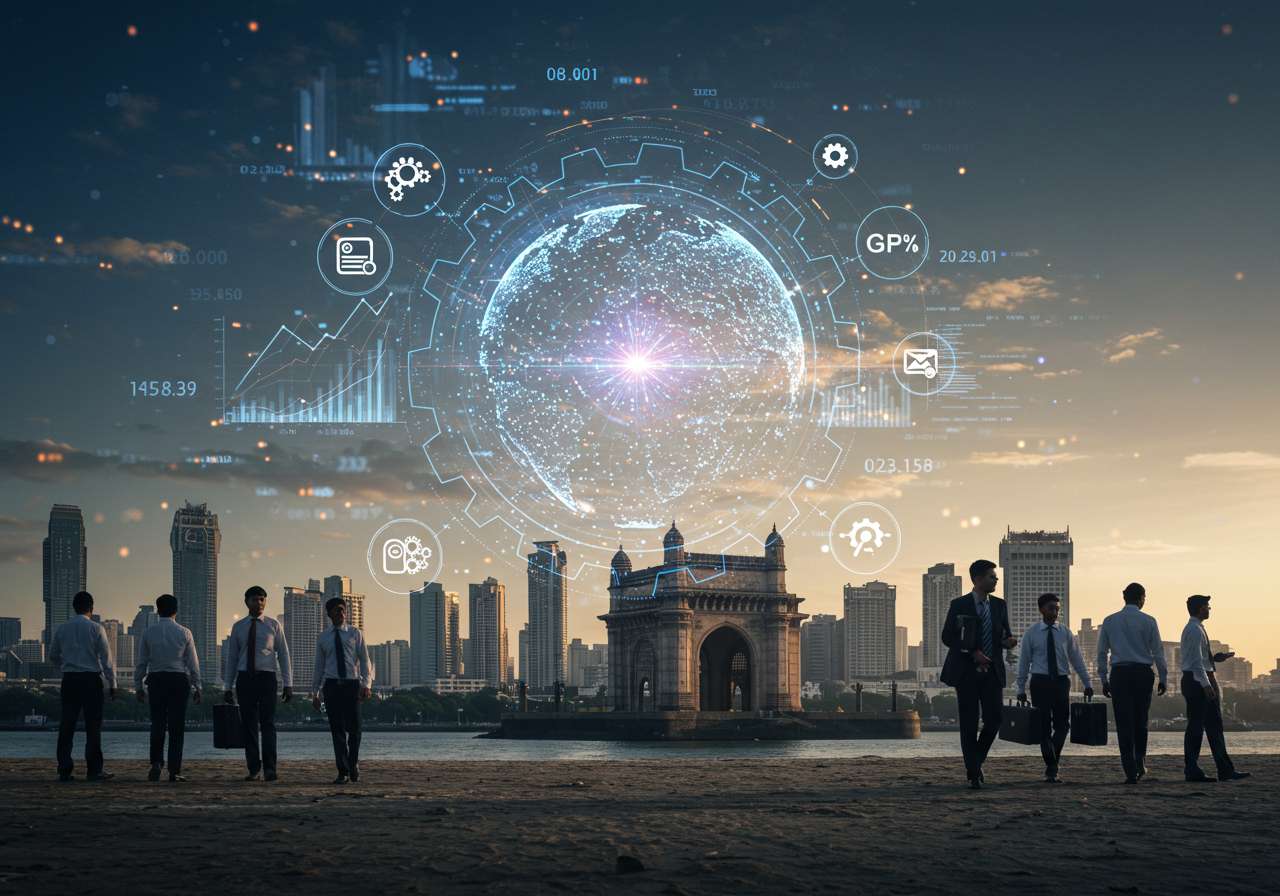
The Demographic Dividend: A Young and Dynamic Workforce demographic pyramid demographic transition 👶
One of India’s most significant advantages is its demographic dividend. With a median age of just 28, India has the world’s largest youth population. This provides a vast and growing workforce, a stark contrast to aging populations in developed nations and even its Asian neighbors. The influx of young, educated individuals into the workforce is expected to drive economic productivity, innovation, and consumption for decades. This demographic shift is often referred to as a “golden period” of growth, presenting an unparalleled opportunity for the nation.
According to the UN, India’s working-age population is projected to exceed 1 billion by 2045, making it the largest human resource pool in the world.
Digital Transformation: Powering Growth from the Ground Up 📱
India’s digital infrastructure is a game-changer. The India Stack, a set of open APIs and digital public goods, has been instrumental in democratizing access to financial services and government programs. The rapid adoption of digital payments through systems like the Unified Payments Interface (UPI) has revolutionized the economy, bringing millions into the formal financial system for the first time. The number of digital transactions has soared, reaching record highs, which fuels e-commerce and fintech innovation. This digital leapfrog is not just a technological advancement; it’s a fundamental economic accelerator.
While digital adoption is high in urban centers, the challenge remains to extend this connectivity and infrastructure to rural and semi-urban areas to ensure inclusive growth.
Policy Reforms and Manufacturing Momentum 🏭
A series of bold policy reforms are setting the stage for long-term sustainable growth. The government’s “Make in India” initiative, coupled with Production-Linked Incentive (PLI) schemes, has incentivized domestic and international companies to set up manufacturing bases in the country. This has led to a noticeable shift in supply chains away from China, with global players like Apple and Samsung increasingly diversifying their production to India. The focus on infrastructure development—roads, ports, and railways—is also enhancing connectivity and reducing logistical costs, making India a more attractive destination for foreign direct investment (FDI).
The Long-Term Potential 📈
By 2047, the 100th year of its independence, India aims to become a developed nation. While this is an ambitious goal, the convergence of its young population, a thriving digital economy, and a strong policy push for manufacturing suggests that the country is on the right track. The continued focus on education, skill development, and financial inclusion will be critical to realizing this potential. India’s growth story isn’t just about its own prosperity; it’s about a new economic engine that will drive global growth for the next half-century.
Key Takeaways: A Quick Recap 📝
- Demographic Dividend: India’s large, young population is its greatest asset, providing a growing workforce and consumer base.
- Digital Revolution: The India Stack and UPI are driving financial inclusion and powering a massive digital economy.
- Policy-Led Growth: Initiatives like “Make in India” and PLI schemes are attracting manufacturing and foreign investment, diversifying supply chains.
India’s Growth Drivers
Frequently Asked Questions ❓
India’s economic story is one of a nation leveraging its youthful energy, technological innovation, and strategic policy to build a new foundation for growth. The journey is just beginning, and the world is watching closely. What do you think is the most exciting aspect of India’s growth potential? Share your thoughts below! 👇







Leave a Reply