The Logic of a Safe Haven ✨
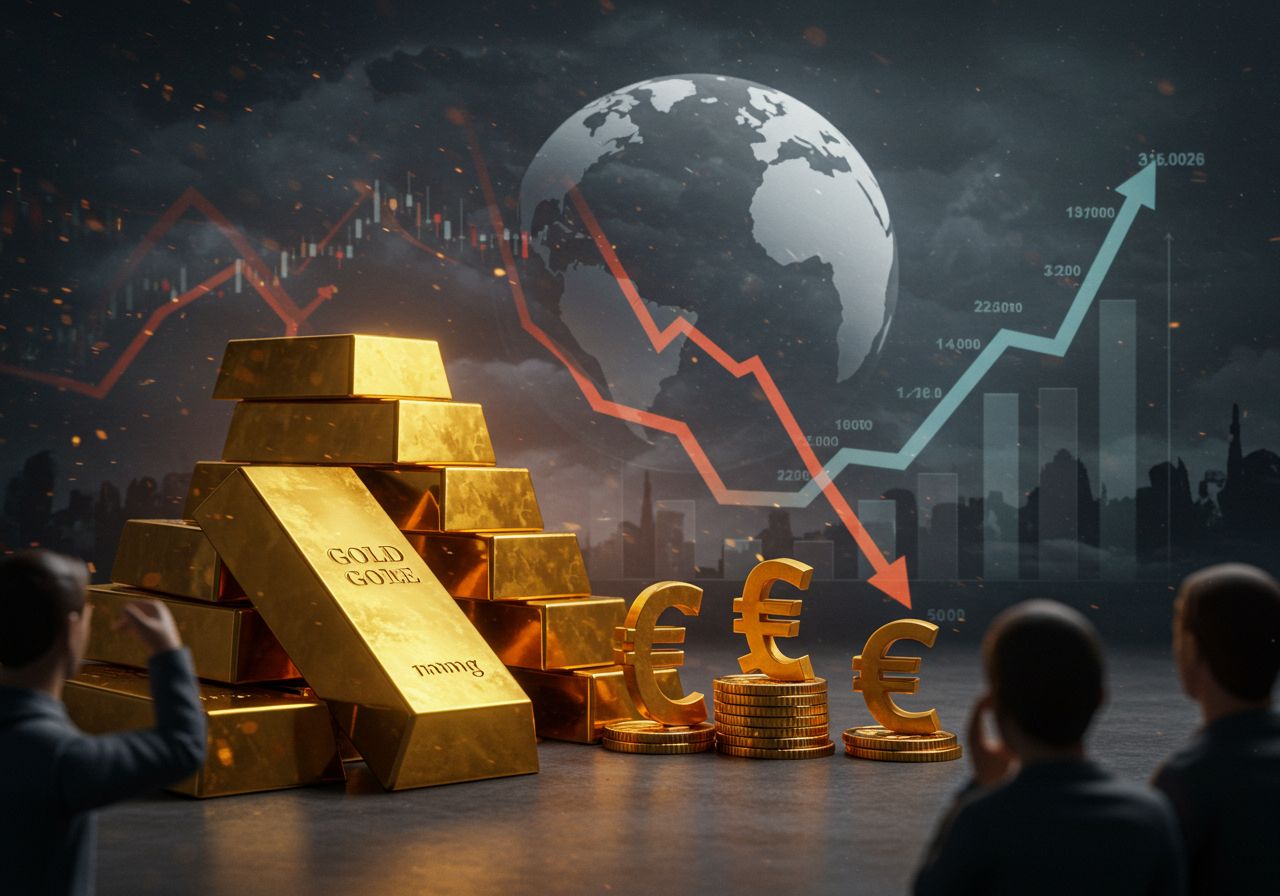
A safe haven asset is an investment that’s expected to retain or increase in value during a period of market volatility. Gold fits this definition perfectly for several reasons:
- Hedge Against Inflation: Unlike fiat currencies, which can lose purchasing power over time due to inflation, gold has a limited supply. When the value of money decreases, the price of gold tends to rise, making it a reliable store of value.
- No Credit Risk: Gold is a physical asset that’s not tied to any government or corporation. It doesn’t have a balance sheet and can’t default, making it a secure option when confidence in banks or governments is low.
- Historical Value: For thousands of years, gold has been a universally accepted form of wealth. This long history gives it a psychological edge as a trusted store of value, particularly in times of crisis.
Central banks around the world have been major buyers of gold in recent years, diversifying their reserves away from traditional assets and signaling a broader concern about global financial stability.
What’s Driving the Current Surge? 🚀
The recent run-up in gold prices is a direct reflection of a global economic landscape defined by three major anxieties:
- Geopolitical Tensions: The ongoing conflicts in Eastern Europe and the Middle East, along with rising tensions in other regions, have fueled a strong demand for safe-haven assets. When political stability is in question, gold becomes a reliable port in the storm.
- Persistent Inflation: Despite efforts by central banks, inflation has remained stubbornly high in many parts of the world. This has eroded the value of traditional investments and has led investors to seek shelter in a proven inflation hedge like gold.
- Recession Fears: The aggressive interest rate hikes by central banks, aimed at fighting inflation, have raised the risk of a global economic slowdown or even a recession. In a downturn, stocks and other riskier assets are expected to fall, prompting a flight to safety.
The price of gold can also be volatile. It is influenced by the strength of the US dollar, central bank policies, and changes in investor sentiment. It is not a guarantee against all losses.
The New Role of Gold in a Volatile World 🪙
While gold’s traditional role remains unchanged, its importance has grown in a world of complex and interconnected risks. For both individual investors and central banks, gold is no longer just a luxury item; it’s a strategic asset for portfolio diversification and risk management. As long as geopolitical tensions, inflationary pressures, and recession fears persist, gold will likely continue to shine as a beacon of stability in an unpredictable global economy.
Gold’s Safe Haven Status
Frequently Asked Questions ❓
The global economic landscape is a mix of challenges and opportunities. Gold’s performance serves as a powerful barometer of investor sentiment. What other assets do you believe are emerging as potential safe havens in the current climate? Share your thoughts below! 👇








Leave a Reply