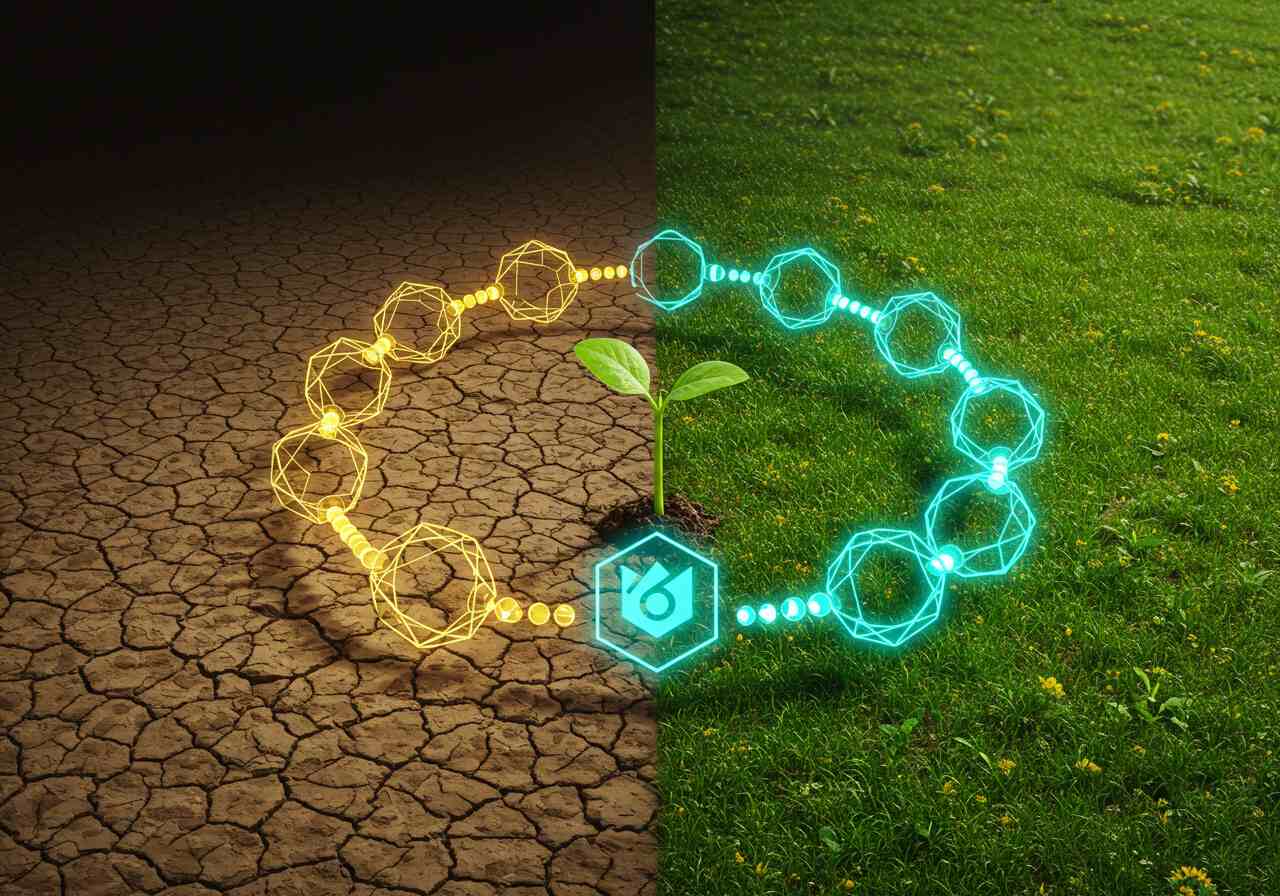
Gene-Editing vs. GMOs: A Crucial Distinction 🌱
It’s easy to confuse gene-edited crops with traditional GMOs, but the two are fundamentally different. The distinction is at the core of the new conversation around food technology:
- Traditional GMOs: Involves introducing a gene from another species (like a bacteria or a virus) into a plant’s DNA. This process is often criticized for being “transgenic” and for creating organisms that couldn’t occur naturally.
- Gene-Edited Crops: Uses technologies like CRISPR to make tiny, precise changes to a plant’s existing DNA. Think of it as a find-and-replace function in a word processor. It can be used to turn off a specific gene, improve a natural trait, or insert a tiny change—all without adding foreign DNA. The result is a plant that could have been bred through conventional methods, but much faster and more accurately.
Because gene editing doesn’t involve foreign DNA, many countries are choosing to regulate gene-edited crops differently than GMOs, often treating them as if they were developed through traditional breeding.
How Gene Editing Can Solve Our Food Problems 🌾
Gene-editing technology holds immense promise for tackling the most pressing challenges in agriculture. It’s a powerful tool that can help us build a more sustainable and secure food supply:
- Climate Resilience: Scientists are using gene editing to develop crops that are more tolerant to drought, extreme heat, and floods. This is crucial for farmers in regions already feeling the effects of climate change.
- Pest and Disease Resistance: Gene editing can be used to create crops that are naturally resistant to common pests and diseases, reducing the need for chemical pesticides and improving crop yields.
- Nutritional Enhancement: Gene editing can be used to improve the nutritional content of staple crops, creating “superfoods” that are more rich in vitamins, minerals, and other essential nutrients. For example, gene-edited rice with higher iron content could help fight malnutrition in developing countries.
- Reduced Food Waste: Researchers are developing crops that stay fresh longer or are more resistant to bruising, which could significantly reduce the amount of food that is lost after harvest.
While the technology offers great promise, public acceptance and clear, consistent global regulation remain significant hurdles. Transparency and open dialogue are essential for moving forward.
The Road Ahead: Challenges and Opportunities 🧭
The future of food security is deeply intertwined with the future of this technology. While some countries, like the UK and Japan, have adopted a more welcoming regulatory framework for gene editing, others remain cautious. The global food system needs to navigate a path that balances scientific innovation with public trust and ethical considerations. The conversation around this technology is an opportunity for a new, more nuanced discussion about how we can leverage science to build a more sustainable, equitable, and resilient food system for everyone.
Gene-Editing at a Glance
Frequently Asked Questions ❓
Gene-edited crops represent a powerful new tool in the fight for a food-secure future. The question is no longer just “can we?” but “how will we?” use this technology responsibly to feed the world’s population. What do you think is the biggest ethical challenge we face with gene-edited food? Share your thoughts below! 👇







Leave a Reply