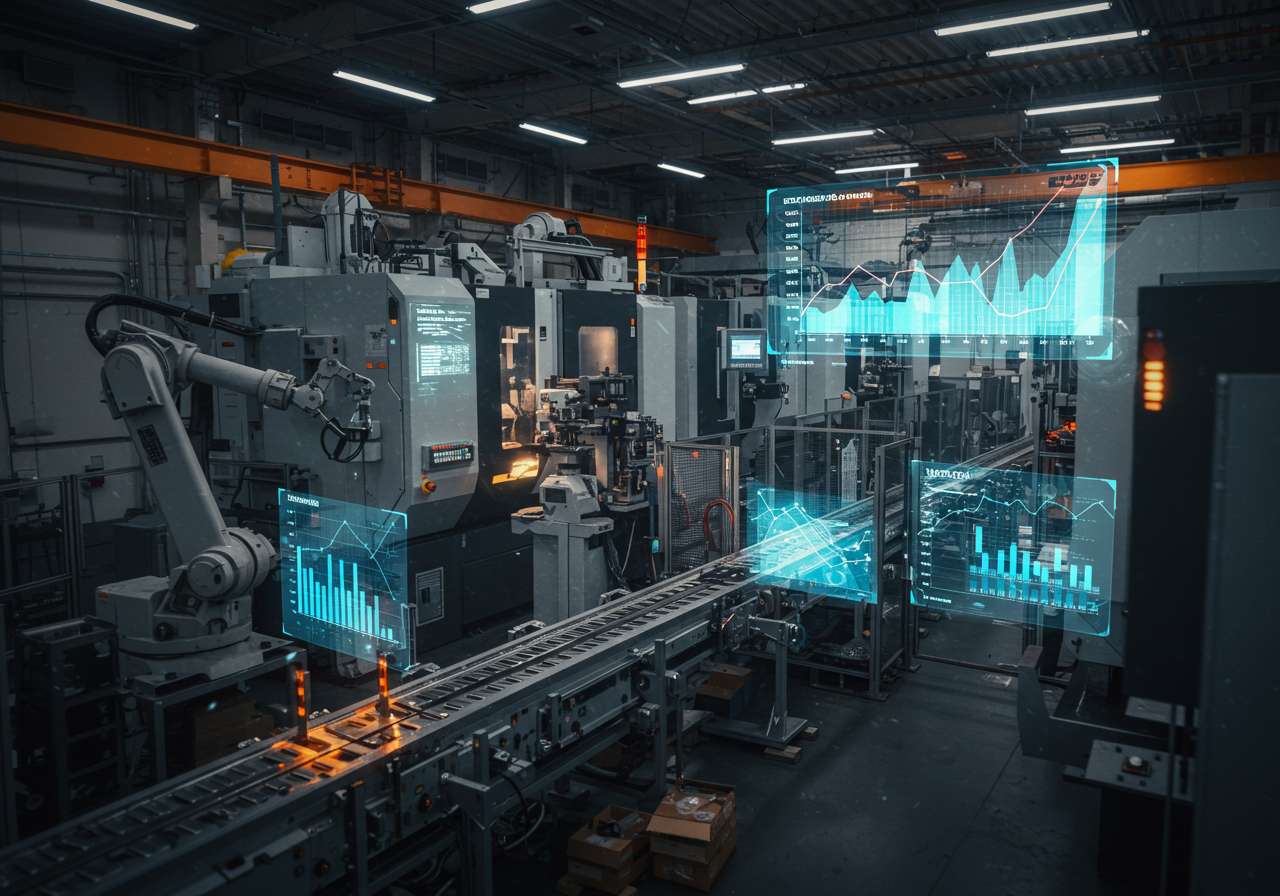
Germany, the “economic powerhouse of Europe” and a global export champion, is suddenly dealing with a crisis of confidence. For decades, its highly efficient industrial sector and world-class exports—from luxury cars to complex machinery—were the envy of the world. Now, the engine is sputtering. What changed? This isn’t just a temporary dip; it’s a “tectonic shift” driven by energy costs, geopolitical tension, and global competition. Let’s dive into the core reasons behind Germany’s industrial slowdown and export woes, and what the path forward might look like.
The Triple Whammy: Core Drivers of the Slowdown 💥
Believe it or not, the current malaise isn’t due to a single problem. It’s a confluence of three major forces that have hit Germany harder than many of its peers. We’re talking about energy, trade, and competition.
1. The Energy Price Shock (The Cost Crisis) 🔌
Let’s be honest: German industry was built on a foundation of relatively cheap, reliable Russian gas. The geopolitical shifts following the conflict in Ukraine effectively ended that era. As a result, energy-intensive sectors—like chemicals, steel, and glass—have seen their production costs skyrocket.
Energy-intensive industries have been forced to either reduce output significantly or, in some cases, “relocate production entirely” to regions with cheaper energy, such as the US (due to the Inflation Reduction Act) or Asia. This is known as “de-industrialization.”
2. Weak Global Demand & China’s Slowdown (The Export Problem) 🚢
Germany is incredibly “export-dependent”. When the global economy sneezes, Germany catches a cold. Global industrial demand has been weak, but the bigger headache is China, which has traditionally been a huge buyer of German machinery and premium cars.
- China’s Structural Shift: The Chinese economy is moving away from investment-led growth (which required German machinery) toward domestic consumption.
- Local Competition: Chinese domestic firms are rapidly improving their quality and capability, particularly in machinery and electric vehicles (EVs), directly challenging German incumbents in their biggest market.
3. Structural Lags in Key Industries (The Innovation Gap) 🚗
The legendary German automotive sector, a pillar of its industrial might, has been slow to fully pivot to the EV era. While they make fantastic cars, the transition to software-defined, electric vehicles has been faster for rivals, particularly those in China and the US.
German direct investments in China have actually reached historical highs. This suggests that some German companies are choosing to produce locally in their biggest market rather than exporting from high-cost German factories, which further weighs on domestic export figures.
A Look at the Data: How Bad is It? 📊
Let’s put some numbers to the anxiety. Recent industrial and trade data confirm the struggle, painting a picture of volatility and stagnation.
Case Study: The Manufacturing Order Book 📝
The indicator for future industrial health is “new manufacturing orders”. In recent years, these orders have been volatile and generally subdued.
- When global confidence wanes, companies postpone capital expenditure on new machinery (a core German export), directly hitting the order book.
- The slowdown often hits the “energy-intensive sectors” (like chemicals) first, and then ripples through the supply chain to machinery and equipment manufacturers.
| Key Economic Pressure Points | Impact on German Exports/Industry |
|---|---|
| High Domestic Energy Costs | Reduced competitiveness for heavy industry; factory relocation. |
| Slowing Chinese Demand | Direct hit to the automotive and machinery sectors (top exports). |
| High Interest Rates (ECB) | Dampens domestic investment and household consumption. |
| Bureaucracy & Digitalization Lag | Increases operational friction and slows innovation adoption. |
The Path to Reinvention: Structural Solutions ✨
Germany isn’t doomed; it’s simply at a crossroads. The solution requires moving beyond short-term fixes and embracing deep structural reform.
- Energy Security & Green Transition: Shifting investment massively into renewable energy and building a more resilient, de-centralized energy grid is crucial. This is about making energy cheap and competitive again, but this time, it must be green.
- Digitalization and Bureaucratic Reform: Germany’s famous “red tape” must be slashed. Accelerating public and private digitalization will boost productivity and make the economy more agile.
- Automotive/Mittelstand Pivot: The backbone of the German economy, the small and medium-sized enterprises (the “Mittelstand”), need support to adopt new technologies, especially in AI and advanced manufacturing, to maintain their global technological edge.
- Diversifying Trade: While China remains vital, strengthening trade relationships with other growing markets—like Southeast Asia, India, and North America—will reduce the risk of over-reliance on a single, slowing market.
Key Takeaways: A Quick Recap 📝
To wrap things up, the German industrial slowdown is complex but boils down to a few critical themes. Here’s what you should remember:
- Energy Costs are the Main Culprit: High, non-competitive energy prices are pushing energy-intensive production out of the country.
- China is a Double-Edged Sword: Slower growth and increasing domestic competition in China are damaging key German exports, especially cars.
- The Solution is Structural: Germany must accelerate its green energy transition, simplify its bureaucracy, and invest in digitalization to regain its competitive edge.
The Industrial Crossroads
Frequently Asked Questions ❓
I hope this guide was helpful in understanding the complex forces reshaping Germany’s economic landscape. What challenges do you think are the most urgent for Germany to address? Let me know in the comments below! 😊






Leave a Reply