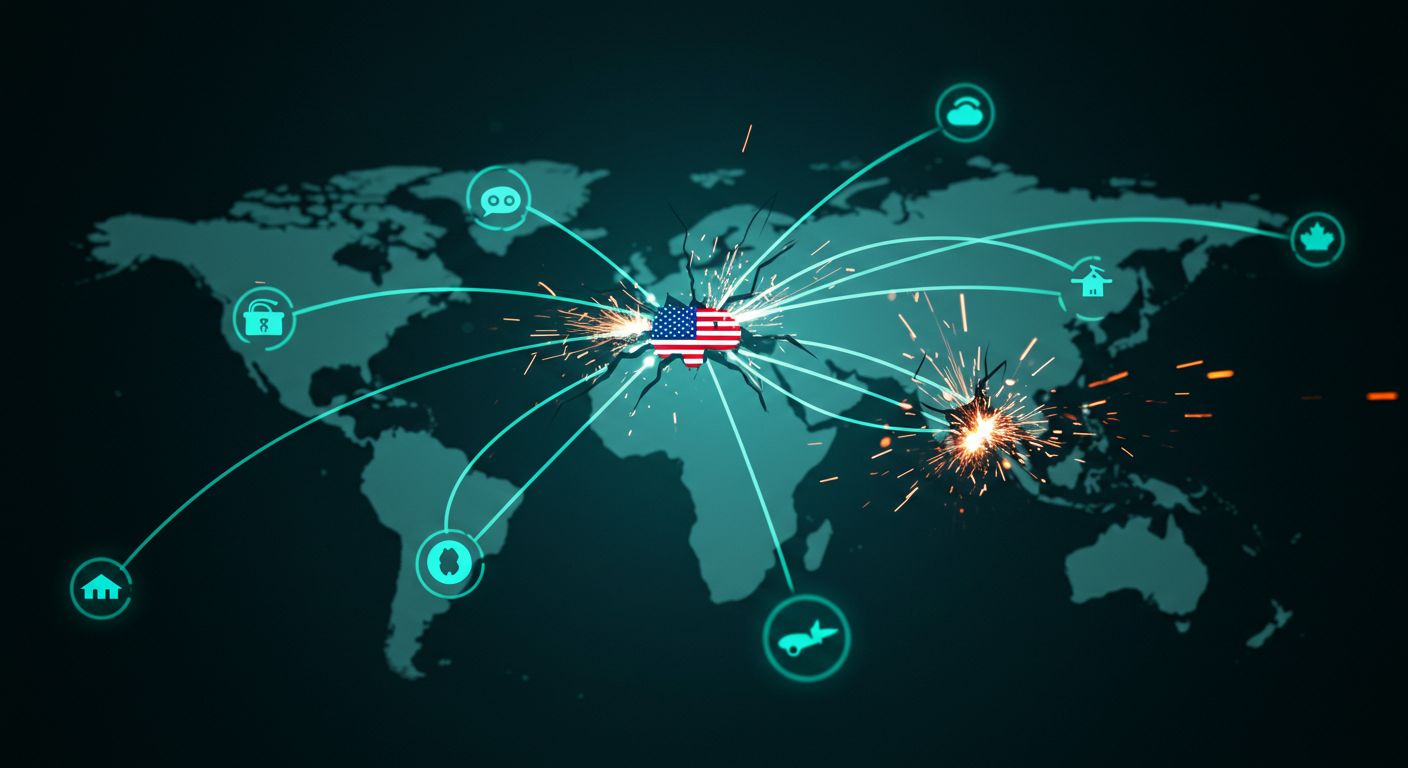
In the past, economic sanctions and tariffs were often reserved for geopolitical adversaries. But in recent years, we’ve seen a noticeable shift in strategy, with major powers—including the U.S.—applying these tools to their traditional allies. This is no longer a simple discussion of trade wars with rivals; it’s about the potential for fragmentation among long-standing partners. 😊 Let’s explore the real-world implications of this new approach and how it’s reshaping the global economic and political landscape.
The New Normal: Tariffs on Friends 🤝
The U.S. has long been a proponent of free trade and a key player in organizations like the WTO. However, recent policies have introduced tariffs on steel and aluminum from countries like Canada, Mexico, and the EU—nations that are typically considered close allies. The stated goal is often to protect domestic industries and jobs, but the ripple effects are far more complex. This shift marks a move from a globalized, consensus-based system toward a more bilateral and transactional approach to trade.
Tariffs are taxes on imported goods. When applied to allies, they can cause a chain reaction, leading to retaliatory tariffs and disruptions in the very supply chains that countries have spent decades building.
The Economic Impact: A Double-Edged Sword ⚔️
For the U.S., these policies aim to strengthen domestic manufacturing. For example, a tariff on imported steel is meant to make American steel more competitive. But this can have unintended consequences. Industries that use steel—like automobile manufacturers and construction companies—will face higher costs, which are often passed on to consumers. At the same time, allies hit with these tariffs often retaliate with their own, hurting U.S. exporters in sectors like agriculture.
| Expected Outcome | Unintended Consequence |
|---|---|
| Increased domestic manufacturing jobs. | Higher costs for U.S. consumers and companies. |
| Stronger domestic supply chains. | Retaliatory tariffs that hurt U.S. export industries. |
| More favorable trade deals. | Erosion of trust and weakening of international alliances. |
Beyond Economics: A Fragmented World 🗺️
The most profound impact may not be economic at all, but geopolitical. When allies feel they cannot rely on a long-standing partner, they are forced to find alternatives. This can lead to the formation of new trade blocs and partnerships that exclude the U.S. For example, European and Asian nations may strengthen their own trade relationships, creating a more multi-polar world. This shift can weaken the bonds of military and political alliances, as economic trust often serves as their foundation.
The long-term effects of these policies are still unfolding. Economic and political systems are incredibly complex, and predicting future outcomes with certainty is impossible. This analysis is a look at potential trends, not a definitive forecast.
Key Takeaways: A Quick Recap 📝
To summarize, here are the key impacts of this new policy approach:
- Trade Fragmentation: The global trade system is becoming less interconnected and more fragmented as allies seek new partners.
- Economic Costs: While intended to protect domestic industries, these policies can lead to higher consumer prices and hurt export-focused sectors.
- Weaker Alliances: The erosion of economic trust can spill over into political and military relationships, potentially creating a less stable world.
A New Global Economic Order
Frequently Asked Questions ❓
This shift in policy presents a fascinating case study in modern economics and international relations. It’s a powerful reminder that our global systems are constantly evolving and subject to change. What do you think will be the long-term result of these policies on global alliances? Let me know in the comments below. 😊





Leave a Reply