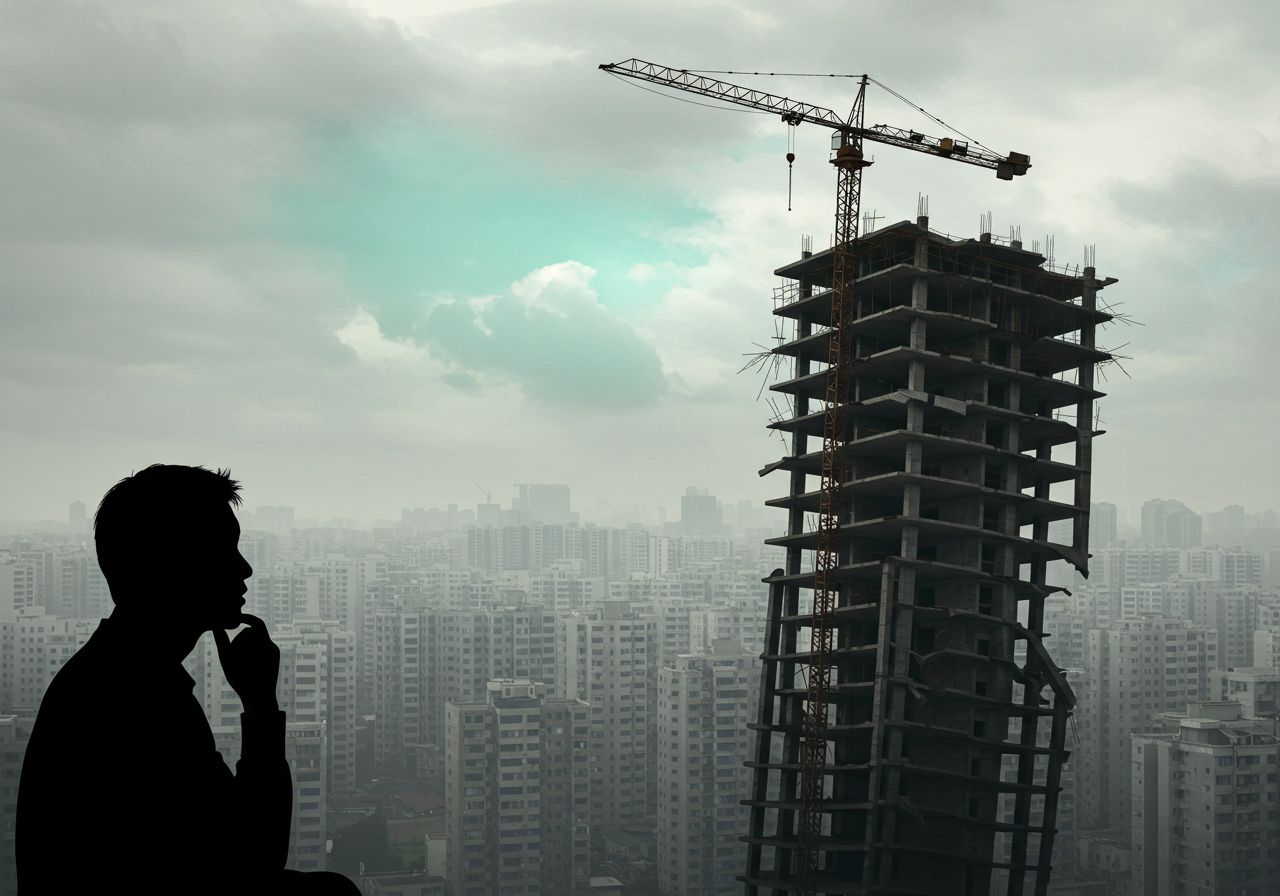
It’s one of the most significant economic stories of our time, and for many, it feels like a slow-motion car crash. We’re talking, of course, about China’s property sector crisis. What began with the collapse of real estate giant Evergrande has cascaded into a widespread debt crisis, plunging property values, and a crisis of confidence for millions of Chinese citizens. As someone who has watched this unfold, I know it can be a little confusing to grasp the full scope of it. So, let’s break down the current state of the crisis, what caused it, and what it means for China and the world. 💥
How We Got Here: The Root Causes of the Crisis 🏗️
To understand the present, we need to look at the past. China’s property crisis wasn’t a sudden event; it was the culmination of long-standing policies and economic trends. Here’s what fueled the boom and, ultimately, the bust:
- A Culture of Speculation: For decades, real estate was seen as the safest and most profitable investment for Chinese households. With limited alternatives, people poured their savings into second and third homes, driving prices to unsustainable levels.
- The “Three Red Lines” Policy: In 2020, the government introduced strict new rules to curb developer borrowing. While intended to reduce risk, the abrupt implementation cut off the lifeblood of highly leveraged companies like Evergrande, causing them to default and halt construction on countless projects.
- Overbuilding and Debt: Developers, encouraged by years of rising prices, engaged in massive expansion, often selling apartments before they were even built (a model known as pre-sale). This created a Ponzi-like scheme where a constant influx of cash was needed to complete existing projects. When demand dried up, the whole system came crashing down.
The Domino Effect: Economic Impacts at Home and Abroad 📉
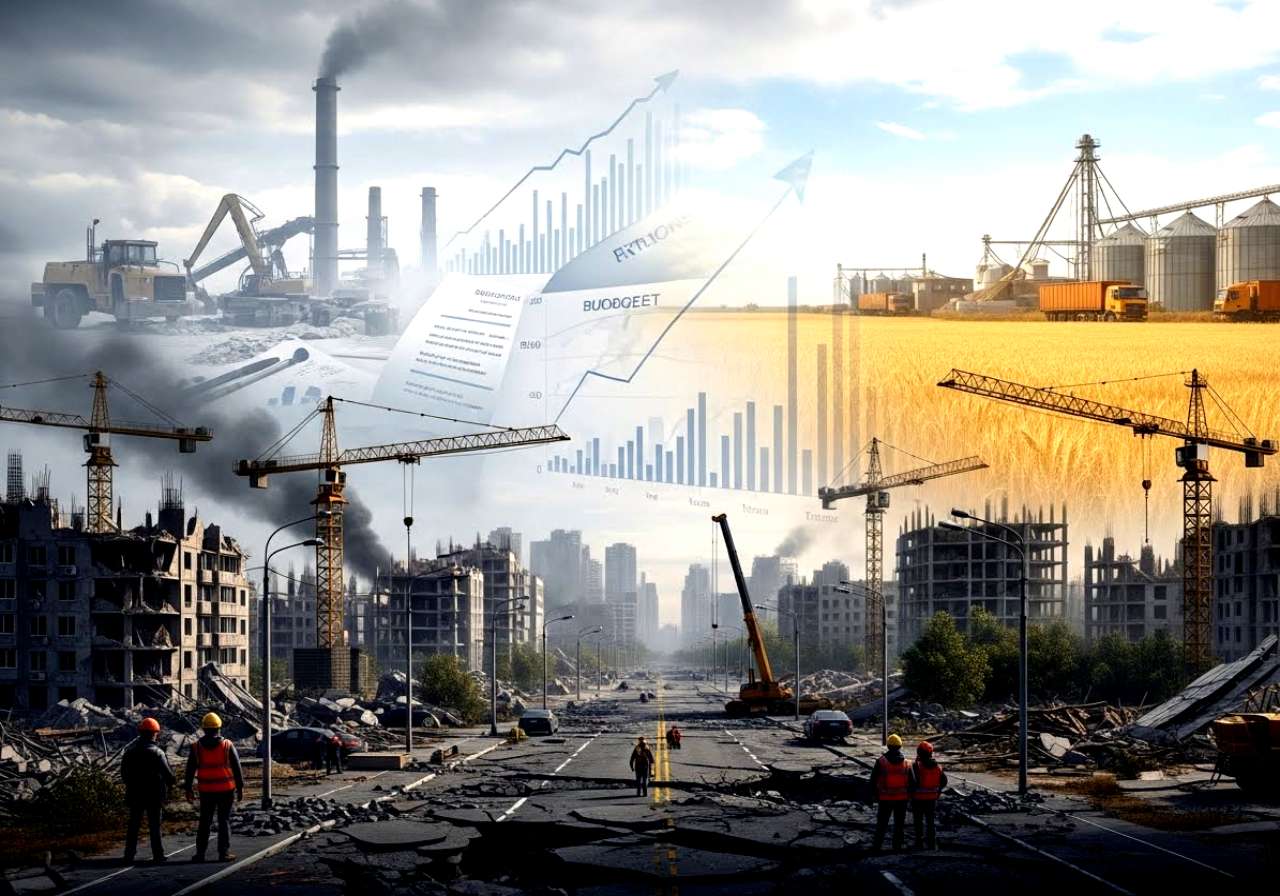
The crisis is far more than just a real estate problem; it’s a systemic shock to the Chinese and global economies. The data from August 2025 is clear: the downturn is still gaining momentum. Here’s a look at the key impacts:
The crisis is having a significant “wealth effect.” With property values falling, which make up a massive 70% of Chinese household wealth, people feel less secure financially. This is curbing consumer spending and slowing down domestic demand across the board.
- Strained Local Government Finances: Local governments have long relied on land sales to property developers as a major source of revenue. With land purchases plummeting, they are facing significant budget shortfalls, which limits their ability to fund essential services and infrastructure.
- Plummeting Investment and Sales: Recent data from August 2025 shows property investment fell 12.9% year-on-year, while sales by floor area dropped 4.7%. This not only hurts developers but also impacts the countless industries that support them, from construction to manufacturing.
- Global Ripple Effects: As the world’s second-largest economy, China’s crisis has global spillovers. A decline in real estate investment could negatively impact China’s G20 trading partners, particularly commodity exporters like Australia and mineral exporters like Germany and Korea.
Government Response: Too Little, Too Late? 💼
Beijing has introduced a series of measures to stabilize the market, including cutting mortgage rates, easing homebuying rules, and encouraging state-owned banks to lend to developers. However, these “piecemeal” policies have so far failed to reignite demand or restore confidence.
One of the government’s more recent actions has been to encourage local authorities to buy up commercial housing and convert it into affordable housing. This aims to reduce the massive inventory of unsold homes while also addressing social housing needs.
Analysts are split on whether Beijing will unleash a “bazooka” of stimulus to truly fix the problem. Some believe the government has the capacity to intervene more forcefully, while others suggest it is more concerned with preventing moral hazard and maintaining fiscal discipline. The path forward remains highly uncertain.
Key Takeaways: A Quick Recap 📝
Here’s a summary of the core points about China’s property crisis:
- Root Causes: The crisis was fueled by a real estate bubble, excessive developer debt, and a sudden, sharp regulatory crackdown.
- Economic Impact: It has led to a significant drop in property investment, a fall in consumer confidence, and strained local government budgets.
- Policy Response: Beijing has implemented several small-scale measures, but many experts believe a larger, more coordinated stimulus is needed to turn the tide.
China’s Property Crisis: At a Glance
Frequently Asked Questions ❓
There’s no doubt that China’s property sector faces a long and challenging road to recovery. Its success or failure will have immense implications for China’s economy and, by extension, the world. I hope this guide helps you understand the gravity of the situation. What are your thoughts on the crisis? Let me know in the comments below. 😊
A related video from Bloomberg, Here’s Why China Can’t Sort Out Its Property Market Mess, provides an expert-led, concise explanation of the crisis and its underlying issues.







Leave a Reply