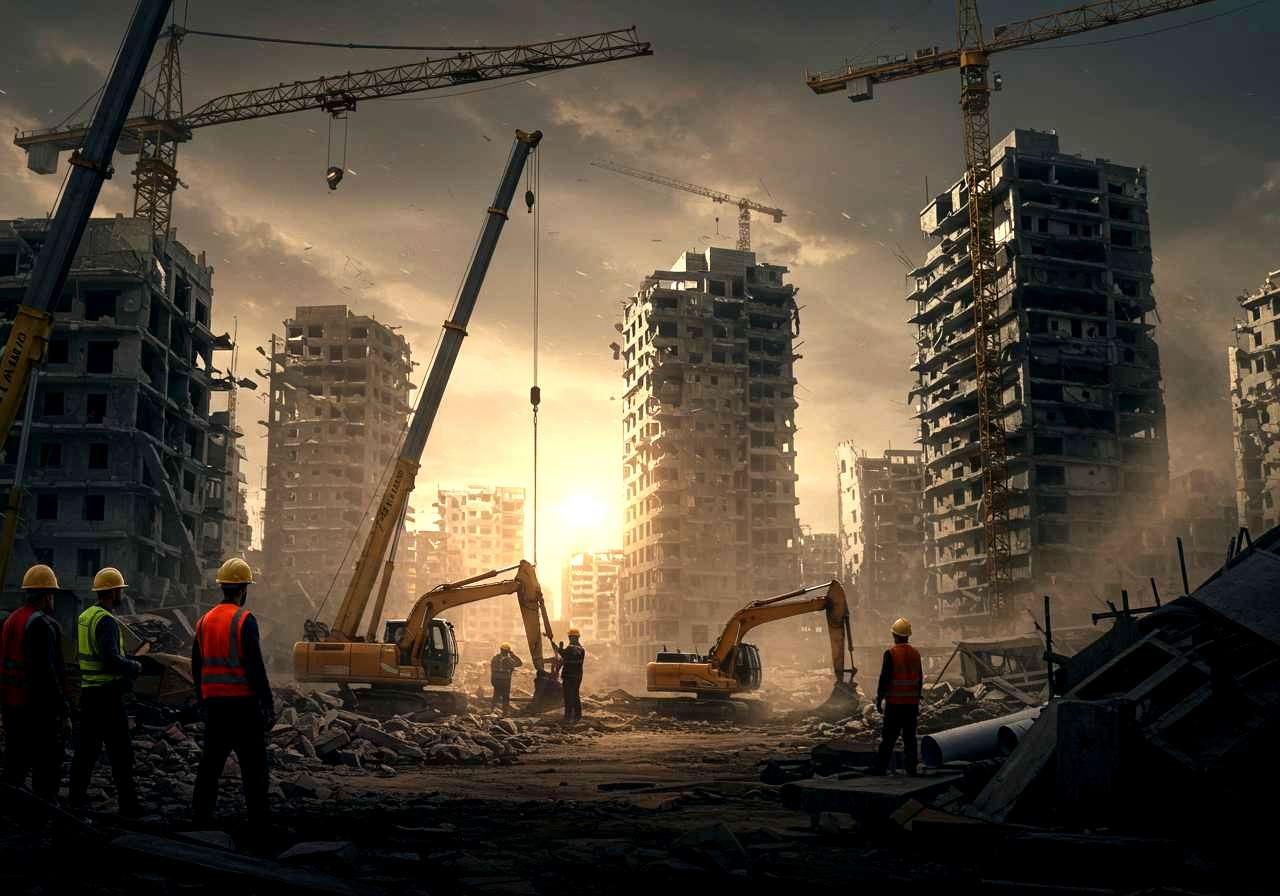
Let’s be honest: when the fighting stops, the real work begins. You’re not just dealing with broken buildings; you’re dealing with a broken economy, shattered social trust, and often, an overwhelming national debt. How can a nation, having just endured a devastating war or financial collapse, possibly find the billions needed to rebuild? It’s a challenge that requires more than goodwill; it demands smart, strategic, and often painful financial engineering. 😊
Phase 1: Assessing the Damage and Immediate Needs 🗺️
The first crucial step isn’t raising money; it’s understanding exactly what’s broken and what must be fixed immediately. This involves a comprehensive damage assessment covering physical infrastructure (roads, power grids) and human capital (schools, hospitals). You can’t budget for recovery until you have a hard number.
Prioritize investments that offer immediate economic multiplier effects, like restoring electrical grids and essential ports. Getting trade and basic services running quickly generates local revenue faster than any international aid.
The Debt Dilemma: How to Avoid a Second Collapse
For many post-conflict nations, the single biggest obstacle isn’t a lack of bricks, but the weight of **sovereign debt**. War is expensive, and often, the only way to fund it is by borrowing heavily.
If reconstruction is financed purely through new, short-term debt, it can lead to hyperinflation and a default, plunging the country back into chaos. A clear, long-term repayment plan is non-negotiable.
Phase 2: The Core Financing Mechanisms 💰
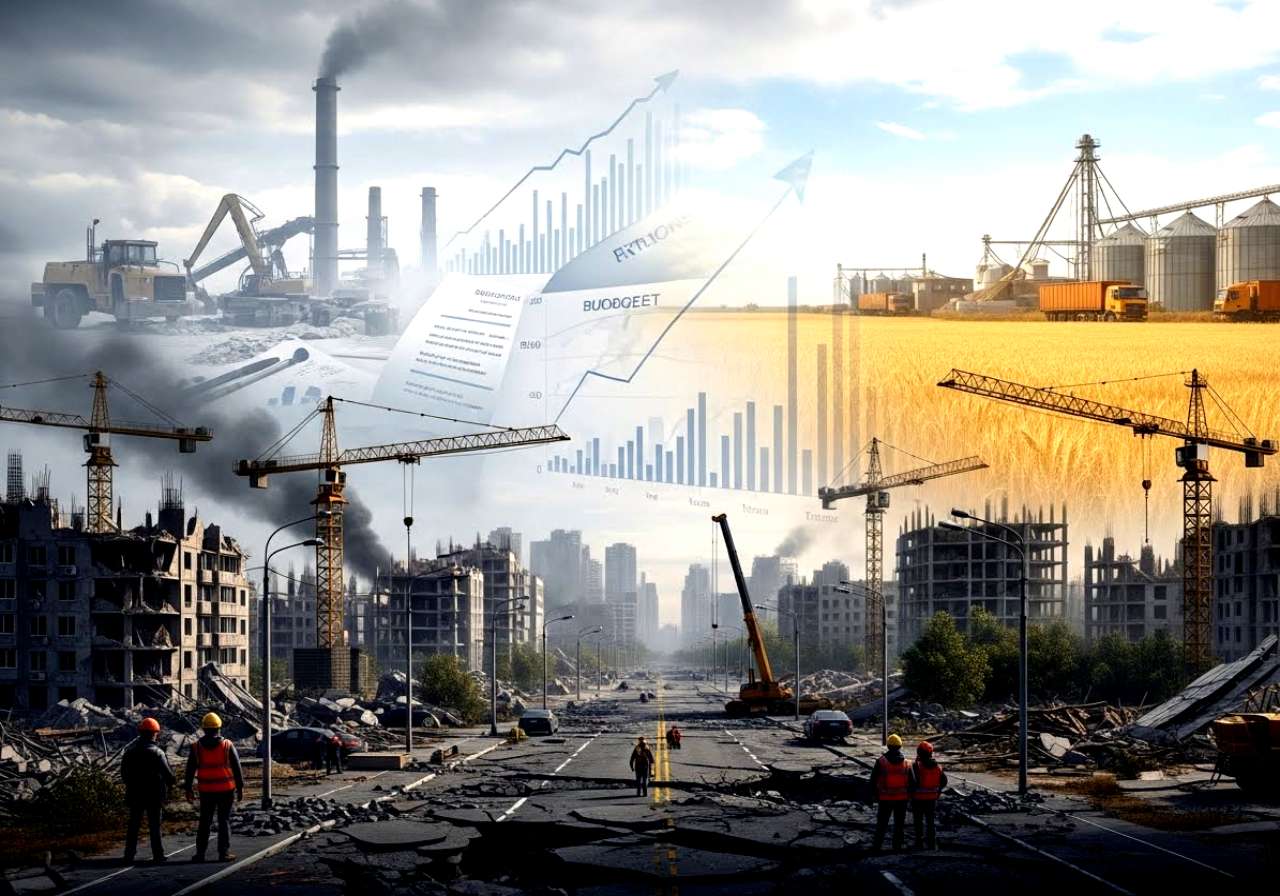
Reconstruction funding typically comes from five main channels, each with its own pros and cons. A successful strategy uses a balanced mix of all of them.
1. International Aid and Grants
- Bilateral Grants: Direct financial gifts from one country to another (e.g., the U.S. Marshall Plan after WWII).
- Multilateral Loans: Funding from bodies like the **IMF** (International Monetary Fund) and the **World Bank**. These often come with structural adjustment requirements, which can be politically sensitive but promote institutional stability.
- The “Marshall Plan” Approach: A massive, coordinated, multi-year grant program focused on rebuilding industry, not just infrastructure.
2. Debt Relief and Restructuring
Sometimes, the best financing is simply removing existing burdens. **Debt forgiveness** (often orchestrated by the Paris Club or London Club of creditors) or **debt-for-equity swaps** are crucial tools. The Highly Indebted Poor Countries (HIPC) Initiative is a modern example of this approach.
3. Domestic Resource Mobilization
True self-reliance requires generating funds at home. This means reforming the tax system, fighting corruption, and issuing reconstruction bonds to the public. Citizen participation is key to national healing.
The Recipe for Long-Term Economic Recovery 📈
Financing the rebuild is only half the battle. The other half is ensuring the money is used to create a durable, modern economy, not just a carbon copy of the old one.
The Three Pillars of Sustainable Growth 🏗️
To transition from recovery to growth, policymakers must focus on these three areas simultaneously:
- Institutional Reform: Establish transparent legal systems, independent central banks, and anti-corruption measures. No investor will risk capital in a system they can’t trust.
- Human Capital Investment: Pour funds into re-opening schools and vocational training centers. A skilled workforce is the ultimate long-term growth engine.
- Sectoral Diversification: Avoid concentrating the economy in one volatile sector (like oil or agriculture). Use reconstruction funds to seed new, high-value industries like technology or sustainable energy.
Key Takeaways: A Quick Recap 📝
Rebuilding an economy isn’t a quick fix; it’s a marathon that requires international cooperation, domestic bravery, and relentless transparency. Here are the core concepts to remember:
- Debt First: The most crucial step is addressing the existing sovereign debt load through forgiveness or restructuring before taking on too much new financing.
- Balanced Sourcing: The best funding mix includes international aid (grants and soft loans) AND robust domestic resource mobilization (tax reform, bonds).
- Focus on Institutions: Financial recovery hinges on building transparent, trustworthy institutions and legal frameworks to attract long-term private investment.
The Golden Rule of Reconstruction
Frequently Asked Questions ❓
The challenge of post-conflict recovery is immense, but history shows it’s absolutely possible with dedication and smart financial choices. It’s about taking that first, daunting step, managing the debt, and fostering a spirit of transparent, institutional stability. I hope this guide gave you a better understanding of the huge economic engineering involved. What historical example of reconstruction do you find most inspiring? Let me know in the comments below! 😊







Leave a Reply