The Pillars of the Slowdown 🏗️
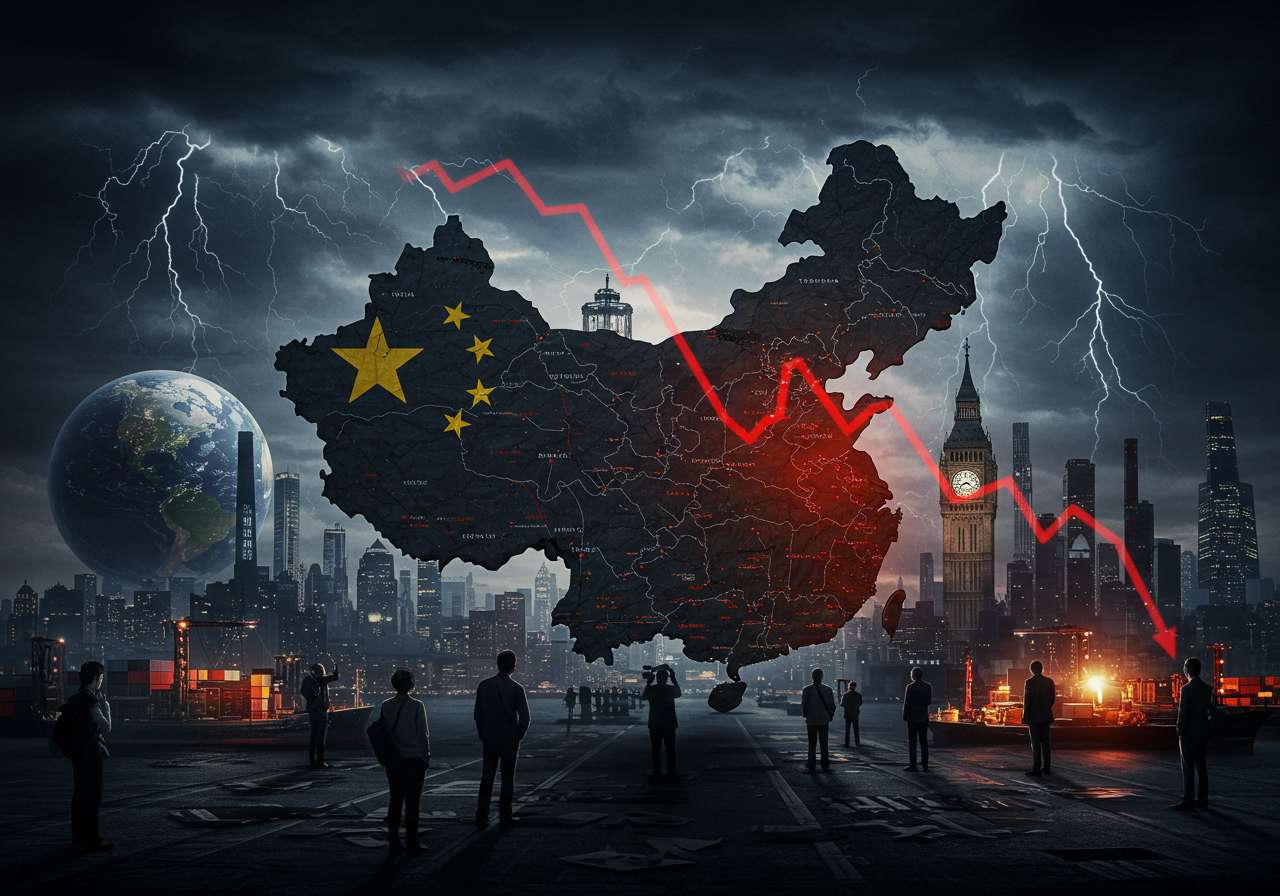
The current slowdown isn’t a single issue but a convergence of several major challenges. The problems are structural, not just cyclical, and they are intertwined. Here’s a look at the core issues driving the change:
- The Real Estate Crisis: The property sector, which accounts for up to 30% of China’s GDP, is in a deep slump. Major developers, burdened by massive debt, have defaulted on their loans, causing a crisis of confidence. This has left millions of homes unfinished and threatens the financial stability of local governments and banks.
- Weak Consumer Confidence: Years of strict lockdowns, combined with the property crisis and a shaky job market, have made Chinese consumers more cautious. Instead of spending, they are saving, which weakens the domestic demand that Beijing hopes will power future growth.
- Demographic Headwinds: China’s population is aging rapidly, and its workforce is shrinking for the first time in decades. This demographic shift means fewer workers to fuel growth and more people relying on social services, putting a strain on the economy in the long run.
- Geopolitical Tensions and Trade: Escalating tensions with the U.S. and Europe, including tariffs and technology export bans, are pushing global companies to “de-risk” their supply chains away from China. This challenges China’s role as the world’s central manufacturing hub.
According to data from the IMF and World Bank, China’s economic growth rate is projected to fall below 4.0% by 2026, a significant drop from the 6.0% it achieved just a few years ago.
Global Implications: The Ripple Effect 🌍
When China sneezes, the world catches a cold. Its economic slowdown is no exception. As China’s demand for raw materials and manufactured goods decreases, it has a direct impact on commodity-producing nations and global supply chains.
- Commodity Markets: Countries that export key raw materials like iron ore, copper, and oil to China are seeing a sharp drop in demand. This has led to falling commodity prices, hurting the economies of nations from Brazil to Australia.
- Global Trade: China’s reduced appetite for imports is impacting global trade volumes. At the same time, its push to become more self-sufficient in key technology sectors is creating a more fragmented global economy.
- Investment Flows: Foreign direct investment (FDI) into China has slowed significantly. Investors are becoming more cautious, and capital is flowing to alternative manufacturing hubs in Southeast Asia, India, and Mexico.
China’s economic problems are not just a regional issue. The stability of its financial system and the pace of its recovery are now among the most critical factors for the health of the entire global economy.
What’s Next for China? 🧭
The Chinese government is keenly aware of these challenges and has been rolling out a series of policies to address them. The focus has shifted from high-speed, export-led growth to a model of “high-quality development” centered on technology, innovation, and domestic consumption. However, the path to a sustainable recovery is long and filled with obstacles. Rebalancing the economy will require not only massive state-led investment but also a restoration of consumer and investor confidence, a task that will take years to achieve.
China’s Economic Transition
Frequently Asked Questions ❓
China’s economic transition is one of the most significant shifts in the global economy. As the country grapples with a new reality, the world will need to adapt to a new, more complex, and perhaps less predictable economic partner. What do you think is the biggest long-term risk for the global economy if China’s slowdown continues? Share your thoughts below! 👇







Leave a Reply